Water Purification Coagulant Gold Coast
Addressing Water Quality Challenges on the Gold Coast
Water and wastewater treatment on the Gold Coast presents distinct operational challenges that differ from many inland regions. With a combination of coastal runoff, elevated organic loads, and seasonal variability in turbidity, local treatment plants must accommodate a wide spectrum of raw water profiles. Whether servicing dense residential zones, supporting tourism infrastructure, or managing industrial process water, achieving stable water quality requires an adaptive chemical treatment strategy.
The Gold Coast’s potable water systems must also contend with fluctuating concentrations of suspended solids and organic matter. These influence the effectiveness of filtration, reverse osmosis and disinfection stages. For these reasons, selecting the right water purification coagulant is critical to ensure consistent production of treated water that meets drinking water quality standards while minimising operational risks.
The Role of Coagulation in Local Water Purification
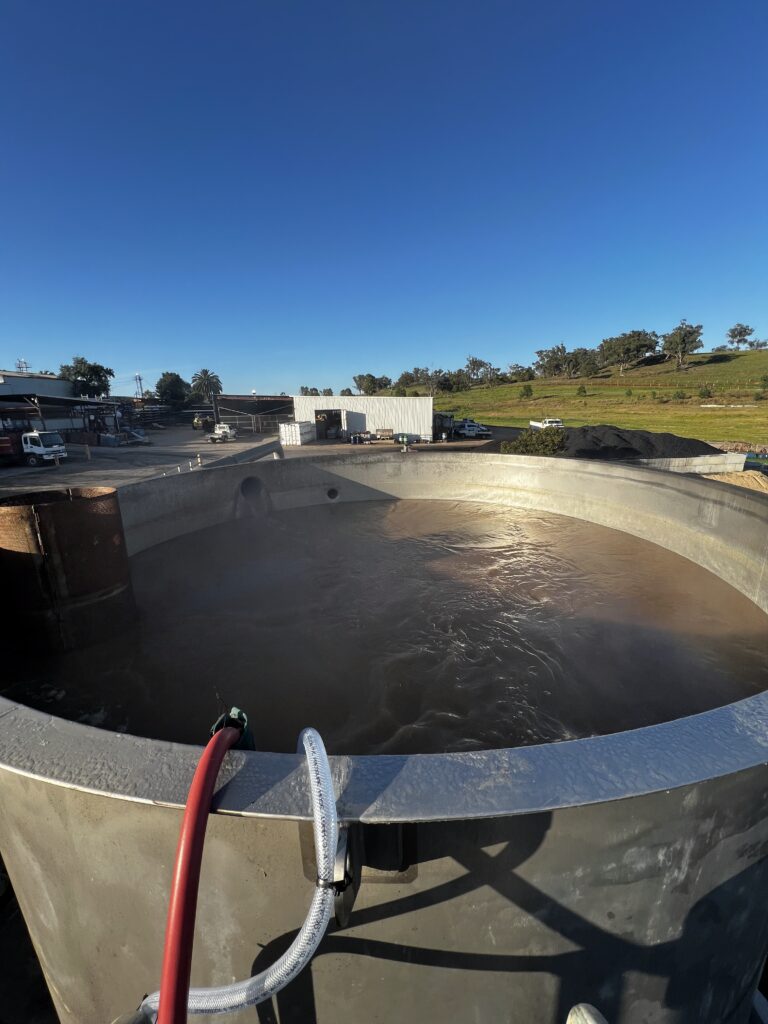
Coagulation is a foundational process in both drinking water and wastewater treatment. In the Gold Coast region, this step is especially important for removing suspended particles, organic compounds, and natural organic matter before water reaches downstream treatment processes. The coagulation process works by introducing positively charged molecules to counteract the negative charge on tiny particles suspended in raw water.
These coagulants neutralize the surface charge, allowing newly formed particles to combine during the flocculation process and become large enough to settle or be filtered. Without this phase, water treatment systems struggle to achieve efficient removal of total suspended solids, resulting in poor water quality, higher turbidity, and increased chemical use during disinfection.
In potable water treatment, coagulation and flocculation are also essential to reduce chlorine demand, limit the formation of disinfection by-products, and ensure regulatory compliance.
Gold Coast Treatment Conditions That Influence Coagulant Choice
The chemical environment of water drawn from Gold Coast sources, including surface water and groundwater, presents variables that directly influence the selection of water coagulants. High levels of natural organic matter, the presence of fine organic particles and seasonal shifts in water turbidity all affect how a coagulant performs. Some of the most relevant characteristics include:
- Variable pH and temperature affecting solubility of coagulants
- High organic loads increasing sludge generation during settling
- Risk of introducing heavy metals when using some inorganic coagulants
- Interaction between coagulants and filtration membranes in reverse osmosis pre-treatment
Local operators are often forced to adjust their water treatment process seasonally or even daily. This makes the case for a versatile coagulant solution that can adapt to changes in raw water quality without compromising process efficiency or increasing the system’s chemical footprint.
Common Coagulants Used in Gold Coast Facilities
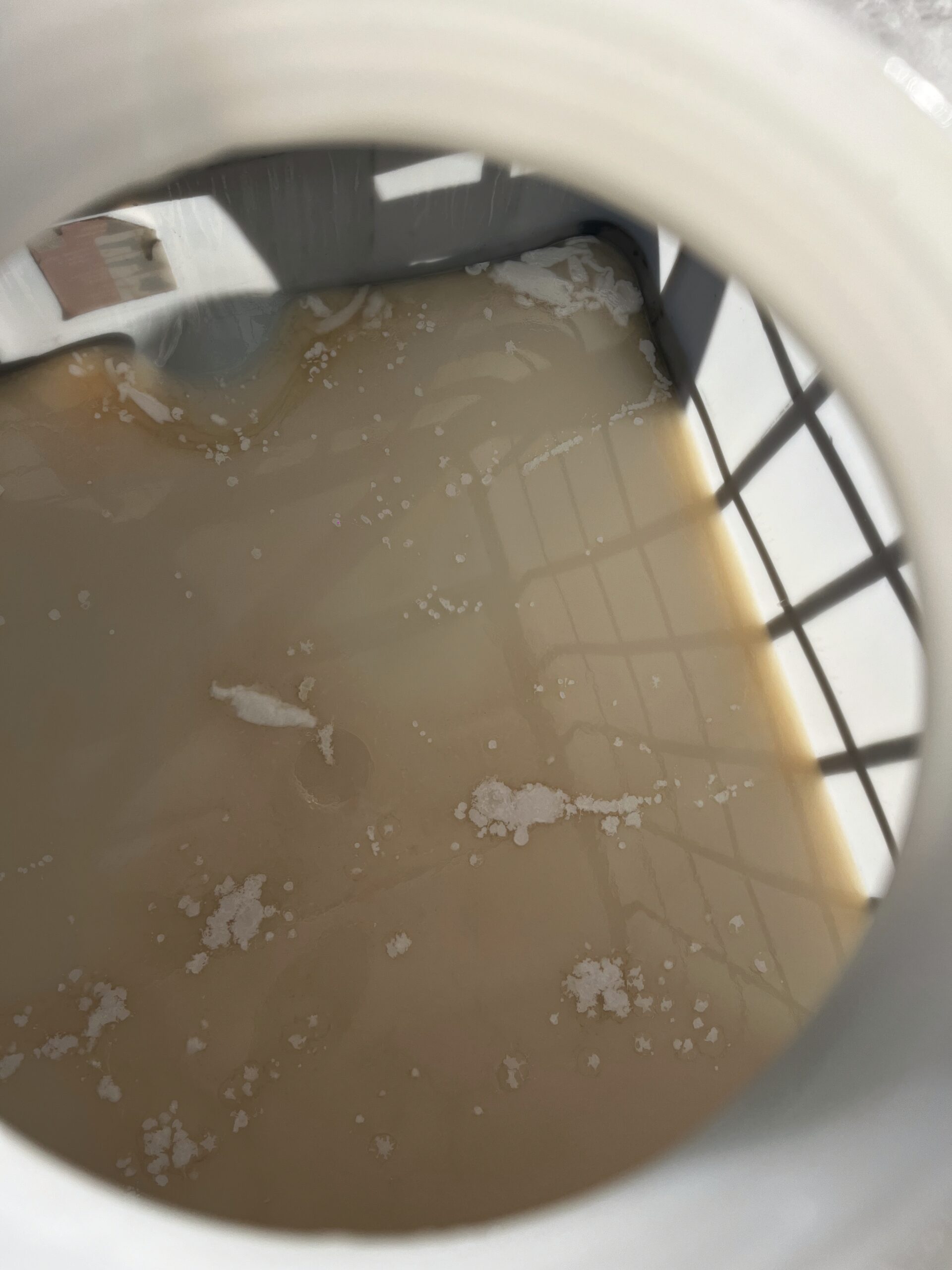
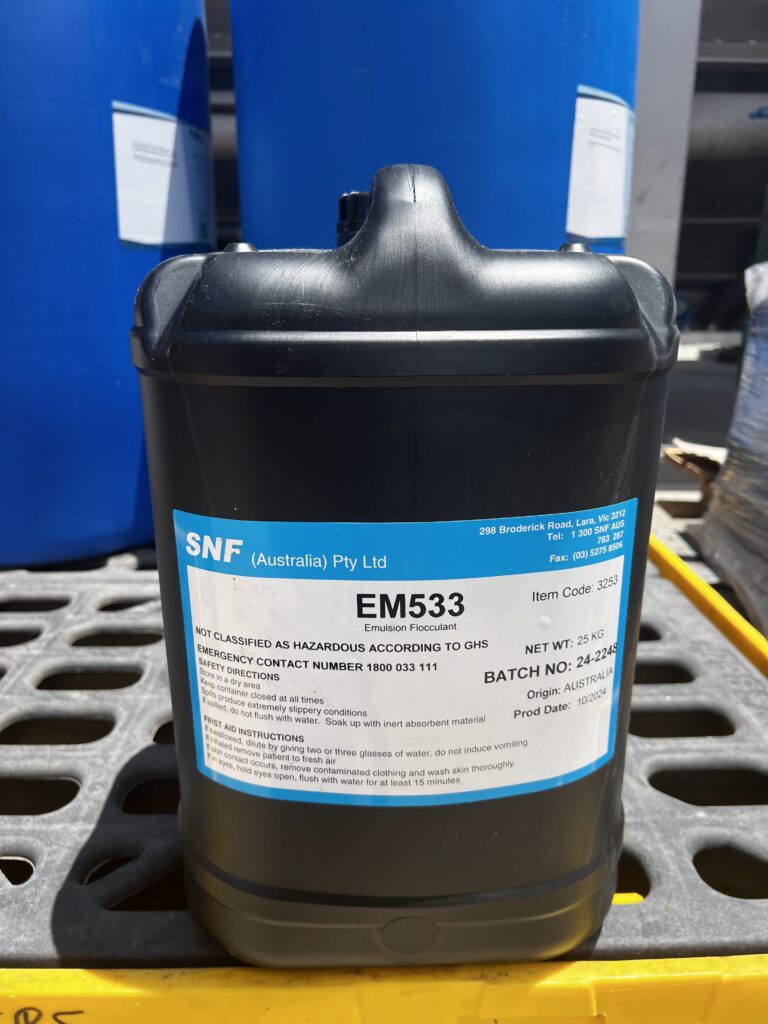
Many water treatment plants in the Gold Coast still rely on conventional treatment chemicals. Among the most commonly used are metal coagulants such as ferric chloride, ferric sulfate and aluminum sulfate. These inorganic coagulants are valued for their rapid charge neutralisation and availability, but they can introduce secondary concerns like:
- Increased corrosion in distribution lines due to residual acidity
- Significantly heavier hydroxide sludge that is costly to manage
- Potential presence of heavy metals that must be removed before discharge
- Reduced performance when pH or temperature fluctuates
Synthetic coagulants, often in the form of synthetic polymers, provide an alternative with improved performance under certain conditions. However, they can interact poorly with downstream membranes and often require precise pH control to remain effective. Both categories also struggle with sustainability concerns, particularly in systems that must meet long-term environmental benchmarks.
Why Tannin-Based Coagulants Suit Gold Coast Water
Organic coagulants derived from natural polymers offer a sustainable alternative for Gold Coast operators seeking lower-impact, higher-performance treatment options. Tannin-based coagulants, particularly those from plant sources, are suited to the dynamic treatment processes seen across Queensland. These biopolymer coagulants operate across a wide pH range, minimise sludge generation, and work efficiently on suspended solids and organic loads.
Tanafloc coagulants, made from natural biopolymers sourced from renewable plant materials, deliver:
- Strong charge neutralisation across different raw water profiles
- Denser floc that settles quickly and reduces turbidity
- Lower residual chemical demand in treated water
- Minimal impact on membrane systems used in reverse osmosis pre-treatment
These coagulants are available in both liquid forms and solid forms. They integrate easily with existing dosing systems and can be rapidly tested for compatibility via a basic jar test. This adaptability makes them ideal for facilities that manage seasonal variability or fluctuating influent volumes.
Where Tanafloc Is Already Making a Difference
Across the broader South East Queensland region, tannin-based coagulants have already demonstrated measurable improvements in performance, compliance and system reliability. In hypothetical but regionally relevant applications, Tanafloc has supported:
- Municipal water treatment plants dealing with rising water turbidity during the wet season
- Resorts and hospitality sites requiring reliable potable water treatment without increasing sludge disposal
- Reverse osmosis plants near the coast using coagulants that do not contribute to membrane fouling or increase water’s corrosivity
In each case, these systems achieved clearer water, improved floc formation and reduced pH swings, all while meeting Gold Coast regulatory standards.
Environmental and Operational Benefits for SEQ Operators
Using a biopolymer-based coagulant supports more than just chemical performance. It contributes directly to operational efficiency and sustainability goals. Facilities across the Gold Coast benefit from:
- Reduced sludge handling volumes and associated disposal costs
- Less need for pH adjustment or secondary chemical dosing
- Lower risk of residual heavy metals in treated water
- Compatibility with downstream biological or filtration systems
- Safer chemical handling due to the absence of corrosive metal salts
This makes biopolymer coagulants not only effective but also easier to manage across both drinking water and wastewater treatment applications.
Get Support for Your Gold Coast Facility
Every water treatment system has its own profile. Whether your facility is focused on potable water, industrial wastewater treatment, or pre-filtration for reuse, the performance of your coagulant directly affects the quality and cost of your operations.
If your plant is located in the Gold Coast or wider South East Queensland region, Tanafloc Australia offers tailored technical support, supply reliability and natural coagulant solutions designed for your conditions.
Contact us today to schedule a jar test, request a trial sample, or speak with one of our specialists about optimising your treatment processes. With the right water purification coagulant, your Gold Coast facility can achieve better water quality, regulatory confidence and operational peace of mind.