Water Purification Coagulant
Why Water Purification Needs Coagulation
The pressure on water quality has never been higher, whether you’re operating a municipal network, protecting a regional catchment, or running an industrial facility. At Tanafloc, we know that one of the most important, and often overlooked, steps in that process is coagulation.
Coagulants are what make the removal of suspended solids, organic matter, and fine particles possible, especially the ones standard filtration can’t touch. Without the right coagulation chemistry, these negatively charged particles stay suspended, repelling one another and bypassing treatment. That’s where we step in.
Tanafloc natural coagulants are designed to neutralise those charges, allowing particles to bind together and form flocs. From there, they’re easily removed by sedimentation or filtration. The result? Lower turbidity, higher clarity, and better performance from every stage of your treatment system.
Clear, compliant water starts with the right chemistry. At Tanafloc, we make sure you get it.
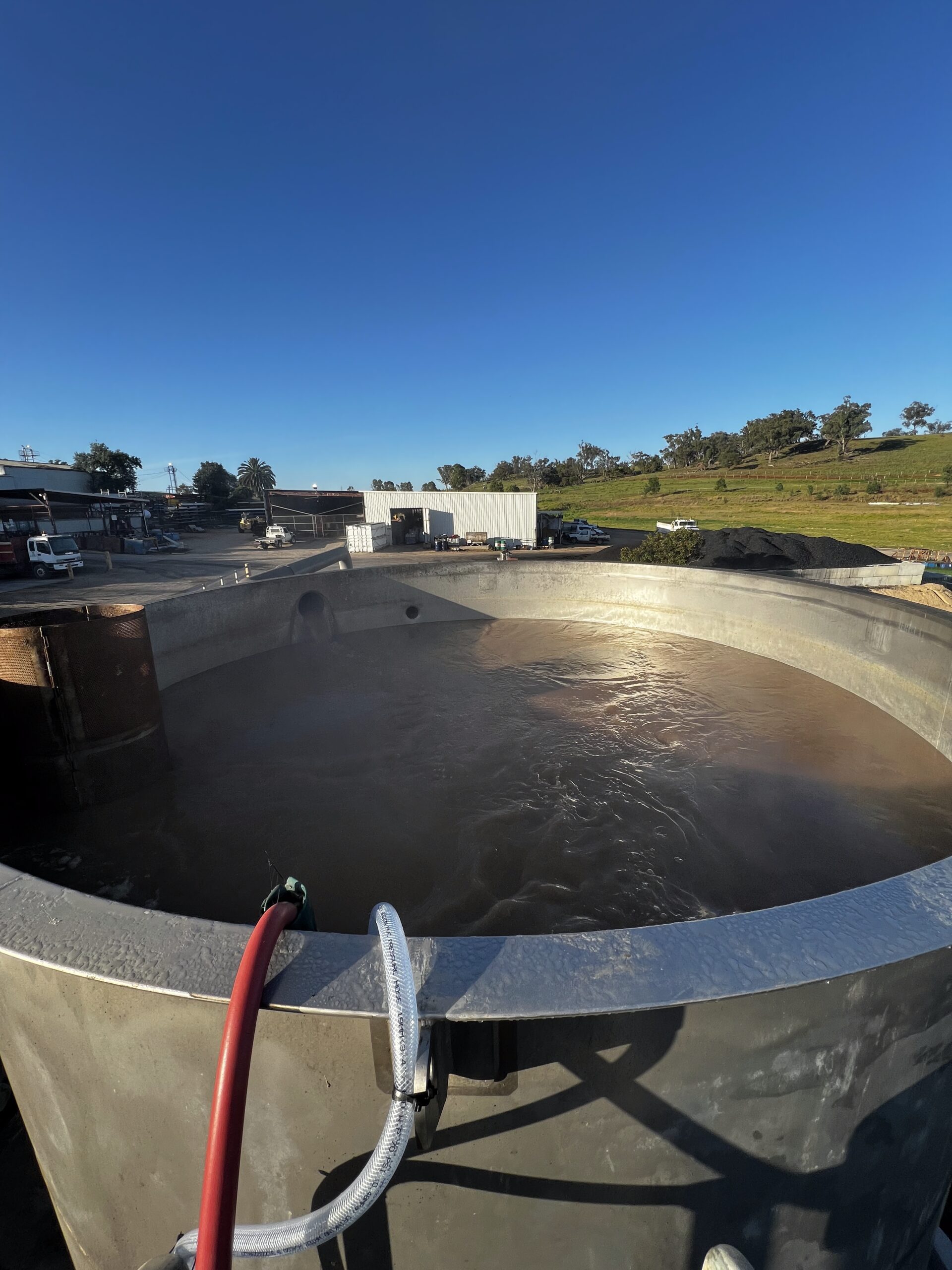
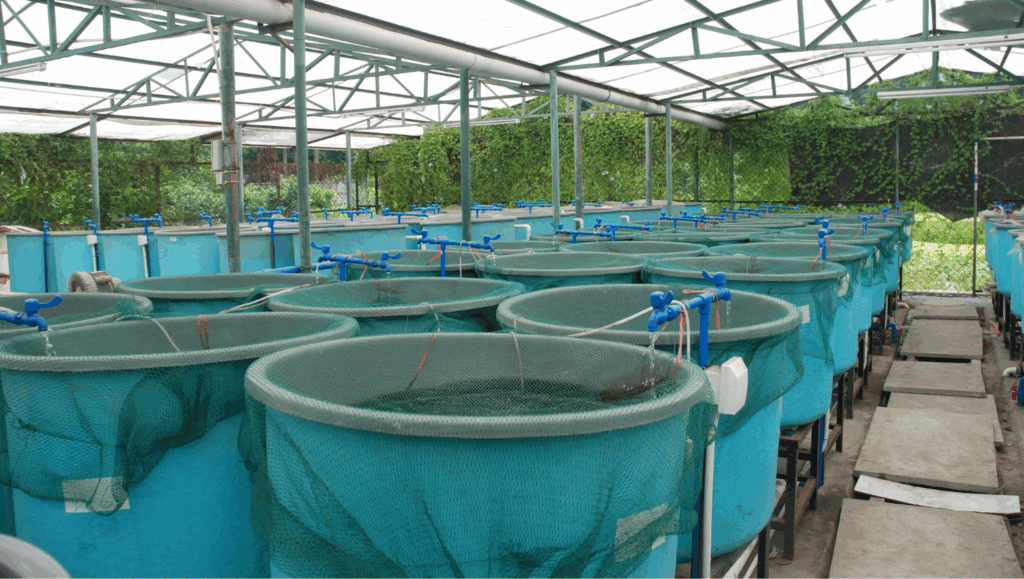
The Science Behind Purification Coagulants
To understand how coagulants work in a water purification system, you need to look at the underlying chemistry. Coagulants neutralise the negative charge carried by colloidal and suspended solids. Once destabilised, these particles can collide and form aggregates during the flocculation phase, which typically follows rapid mixing.
This coagulation process is fundamental in both wastewater treatment and drinking water applications. It affects not just the clarity of treated water but also the performance of filtration, disinfection, and other water treatment processes. The right choice of water coagulants ensures the efficient removal of fine particles, organic particles and inorganic precipitates while supporting system-wide compliance with health and environmental standards.
How Coagulants Improve Water Quality
Every water treatment system has one overarching goal: to produce clarified, safe water. Coagulants and flocculants directly influence how well suspended solids and organic compounds are removed, which in turn determines whether the treated water meets required quality benchmarks.
Efficient coagulation and flocculation enable water treatment plants to:
- Reduce water turbidity
- Remove suspended particles that filtration cannot remove
- Minimise residual contaminants in drinking water
- Support disinfection and reduce chemical dosage downstream
- Extend the life of filtration membranes and sand beds
This improved water quality also translates into economic benefits. By reducing organic load and solid content early in the treatment process, coagulants reduce the burden on later treatment stages, leading to lower energy costs, fewer chemical inputs, and less sludge handling.
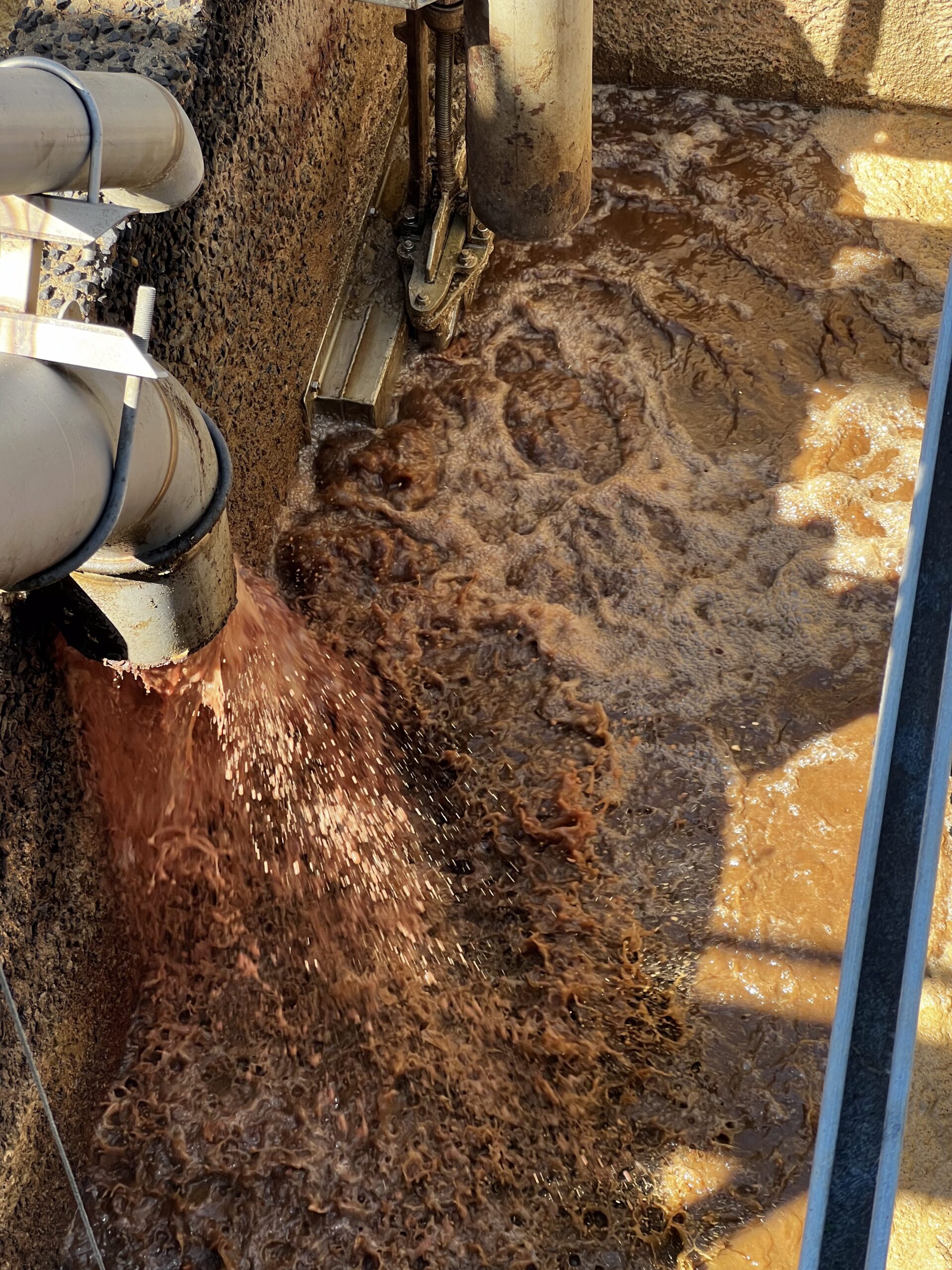
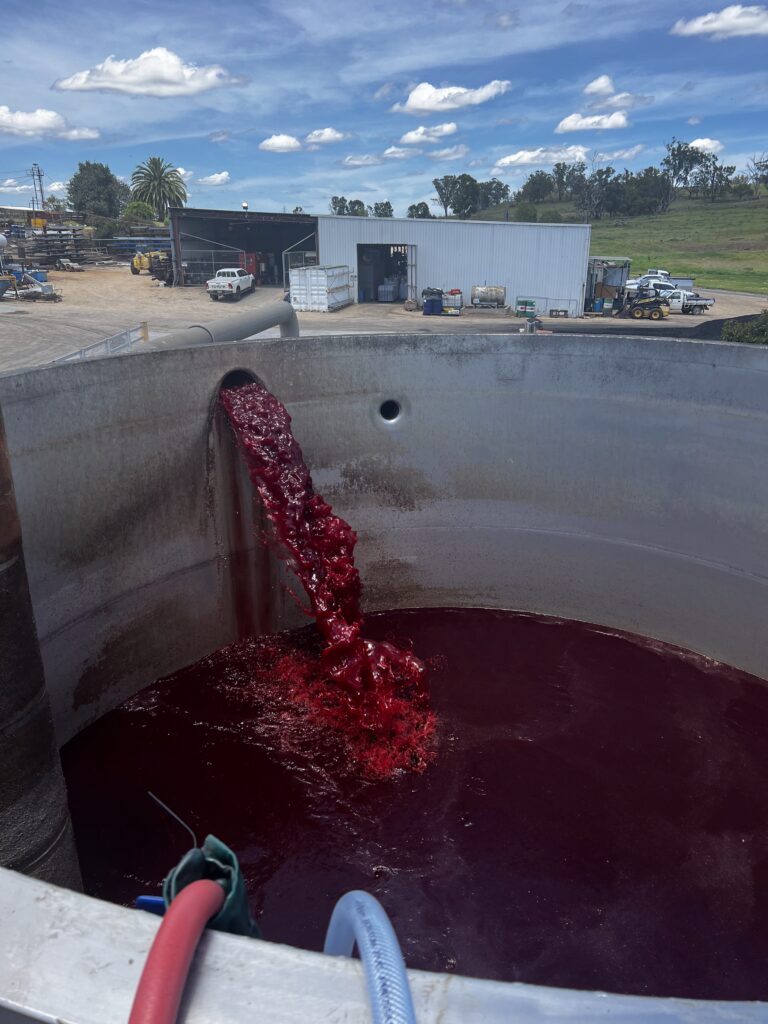
Types of Coagulants Used in Purification
There are several types of coagulants used in water purification, each with distinct chemistry and performance characteristics. The most commonly used are metal coagulants, organic coagulants, and newer biopolymer-based formulations.
Common inorganic coagulants include aluminium salts such as aluminium sulphate and sodium aluminate, as well as iron salts like ferric chloride and ferric sulphate. These coagulants introduce positively charged molecules that bond with negatively charged particles in the water. They are cost-effective and fast-acting, but often create significantly heavier hydroxide sludge, especially when dealing with high organic loads.
Synthetic coagulants, usually based on synthetic polymers, offer higher charge densities and can be tailored to specific applications. However, they may carry environmental concerns, especially when used at high concentrations or when residual monomers remain in the treated water.
Natural options, including biopolymer coagulants and natural polymers sourced from plant materials, offer a more sustainable solution. These organic coagulants are composed of relatively large molecules that provide the same charge neutralisation while producing less sludge. Their compatibility with both municipal and industrial wastewater treatment systems makes them an increasingly attractive option for environmentally conscious operators.
Natural Alternatives for Cleaner Chemistry
Among natural options, tannin-based coagulants like those produced by Tanafloc Australia stand out. These biopolymer coagulants are derived from natural sources such as bark and seeds and act as highly effective organic coagulants in water purification.
Tanafloc coagulants operate by neutralising the negative charge on suspended particles and promoting particle collisions. These natural biopolymers sourced from renewable plant sources support rapid mixing and form stable flocs that settle efficiently. As a result, they allow for the efficient removal of tiny particles and dissolved organic matter while producing less sludge than conventional inorganic options.
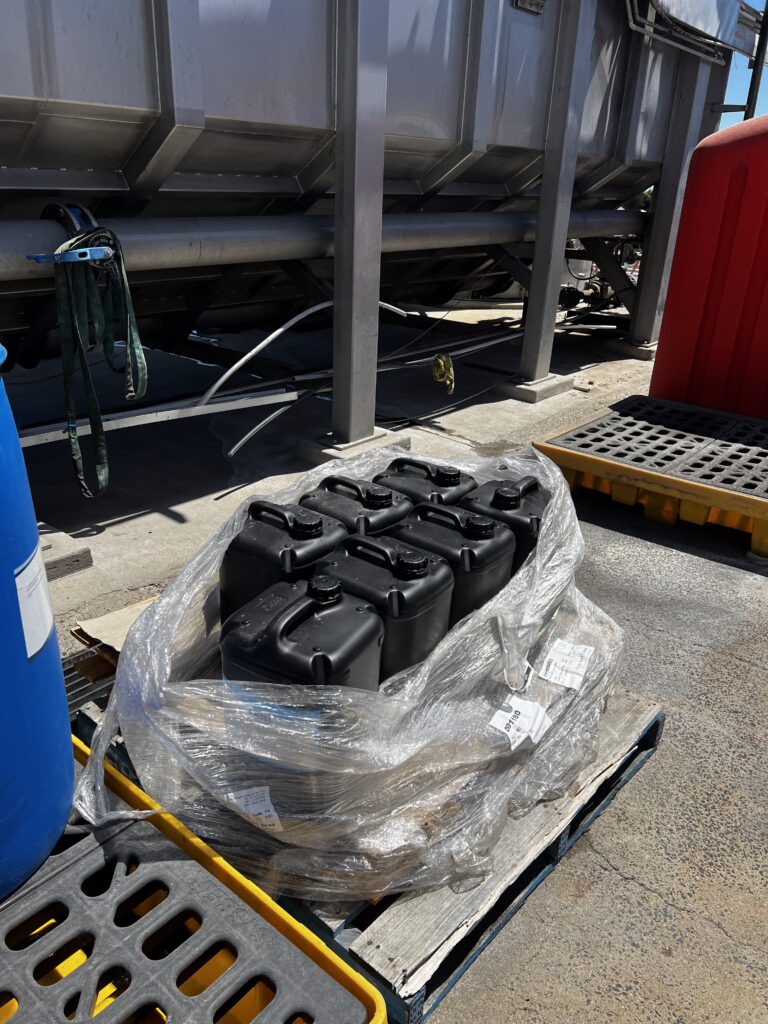
They also come in both liquid forms and solid forms, making them easy to integrate into a wide range of water treatment systems. Tanafloc’s organic coagulants are suitable for water treatment plants dealing with varied source waters and demanding treatment requirements.
Where Purification Coagulants Are Applied
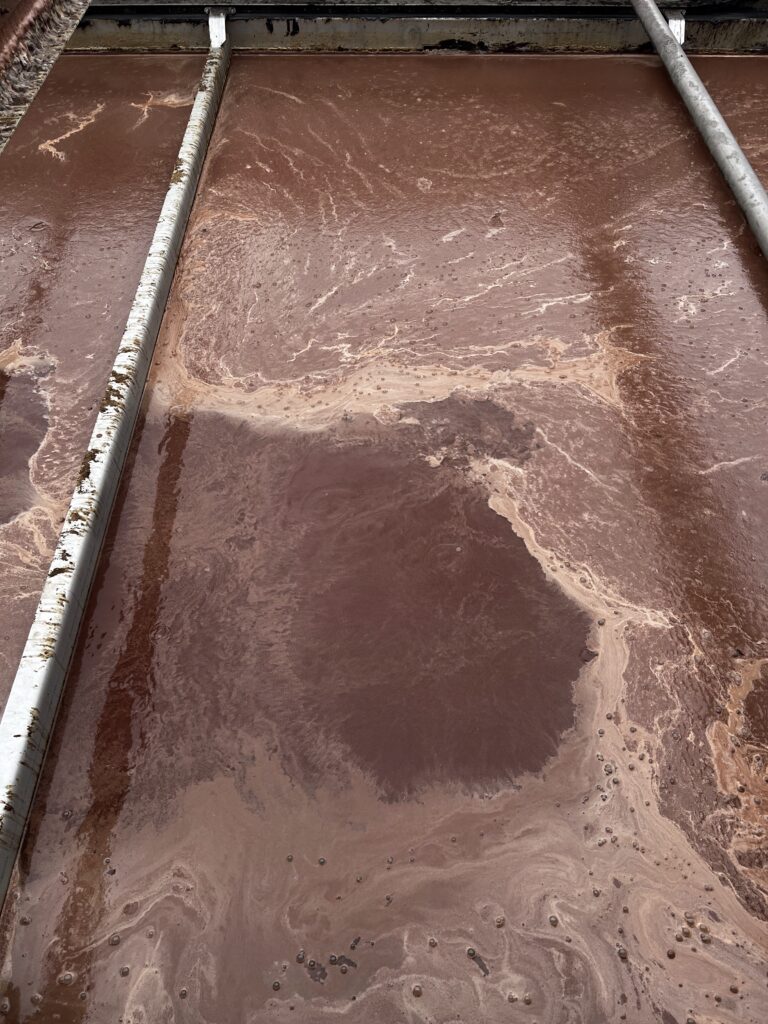
Water purification coagulants are not limited to drinking water treatment. Their applications span:
- Municipal water treatment: Clarifying surface water with high turbidity
- Stormwater and runoff systems: Removing suspended solids before discharge
- Groundwater remediation: Targeting dissolved iron, manganese, and organics
- Industrial process water: Reducing particles suspended in manufacturing inputs
- Pre-treatment in desalination plants: Improving membrane performance by lowering solid loading
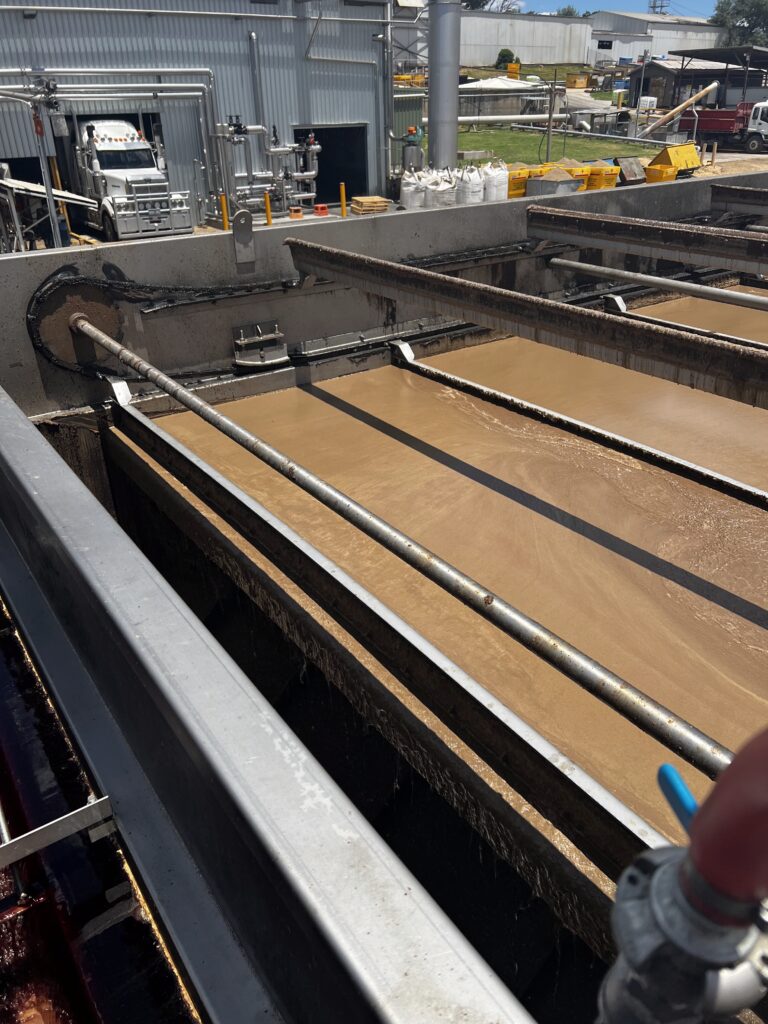
Each of these water purification scenarios has different challenges. A tannin-based water purification coagulant offers versatility across them all, providing strong floc formation, compatibility with varied pH ranges, and reduced chemical residue in treated water.
Tanafloc’s Role in Water Purification
Tanafloc Australia has developed a portfolio of biopolymer coagulants specifically designed for water purification systems. Unlike metal-based or synthetic coagulants, Tanafloc formulations promote efficient floc formation with a lower risk of overdosing and minimal impact on downstream processes.
Tanafloc coagulants excel in water treatment applications requiring:
- High removal efficiency with less sludge
- Low environmental impact and low residual toxicity
- Compatibility with membrane filtration or biological treatment
- Reliable performance across variable water quality inputs
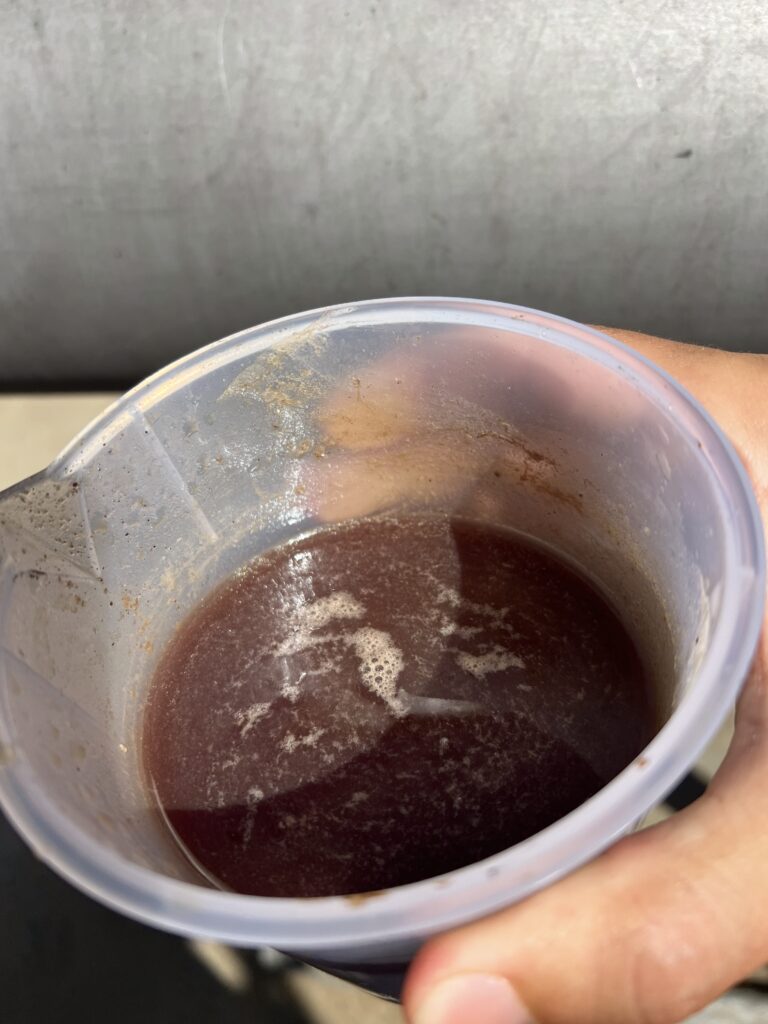
Tanafloc also provides technical support to identify the right dosage, assist with jar testing, and customise application protocols based on flow rate, water turbidity, and organic load.
Environmental and Operational Benefits
Switching to natural coagulants offers advantages beyond performance alone. Operators increasingly prioritise systems that reduce waste, improve safety and simplify management. Tanafloc’s organic chemistry helps facilities meet these goals by:
- Reducing handling risks and chemical storage requirements
- Minimising pH correction and secondary chemical additions
- Lowering sludge disposal costs
- Supporting sustainable procurement through the use of plant sources
Incorporating organic coagulants helps water treatment plants remain compliant while reducing their operational footprint. They also reduce reliance on synthetic polymers or sodium oxide-based treatments, both of which may be restricted under emerging regulatory frameworks.
Choosing the Right Coagulant for Your Facility
The best coagulant for water purification depends on your treatment process, incoming water characteristics, and desired outcomes. Before selecting a product, assess the following:
- What is the concentration of suspended solids or organic particles in the source water?
- Is there a need to reduce sludge output and disposal frequency?
- Does your facility use downstream filtration, membranes or biological stages?
- Are your compliance targets tightening due to regulatory changes?
- How important is sustainability and chemical sourcing in your procurement strategy?
Tanafloc Australia supports treatment operators through every stage, from selection and testing to long-term application optimisation. Whether you are upgrading an ageing water treatment system or building new water purification infrastructure, Tanafloc’s natural solutions offer a proven, flexible and environmentally responsible alternative.
Contact Tanafloc today to arrange a site-specific recommendation, request a sample for testing, or speak with a specialist about integrating natural coagulants into your purification operations. When it comes to water purification, chemistry should be as clean as the water it helps produce.