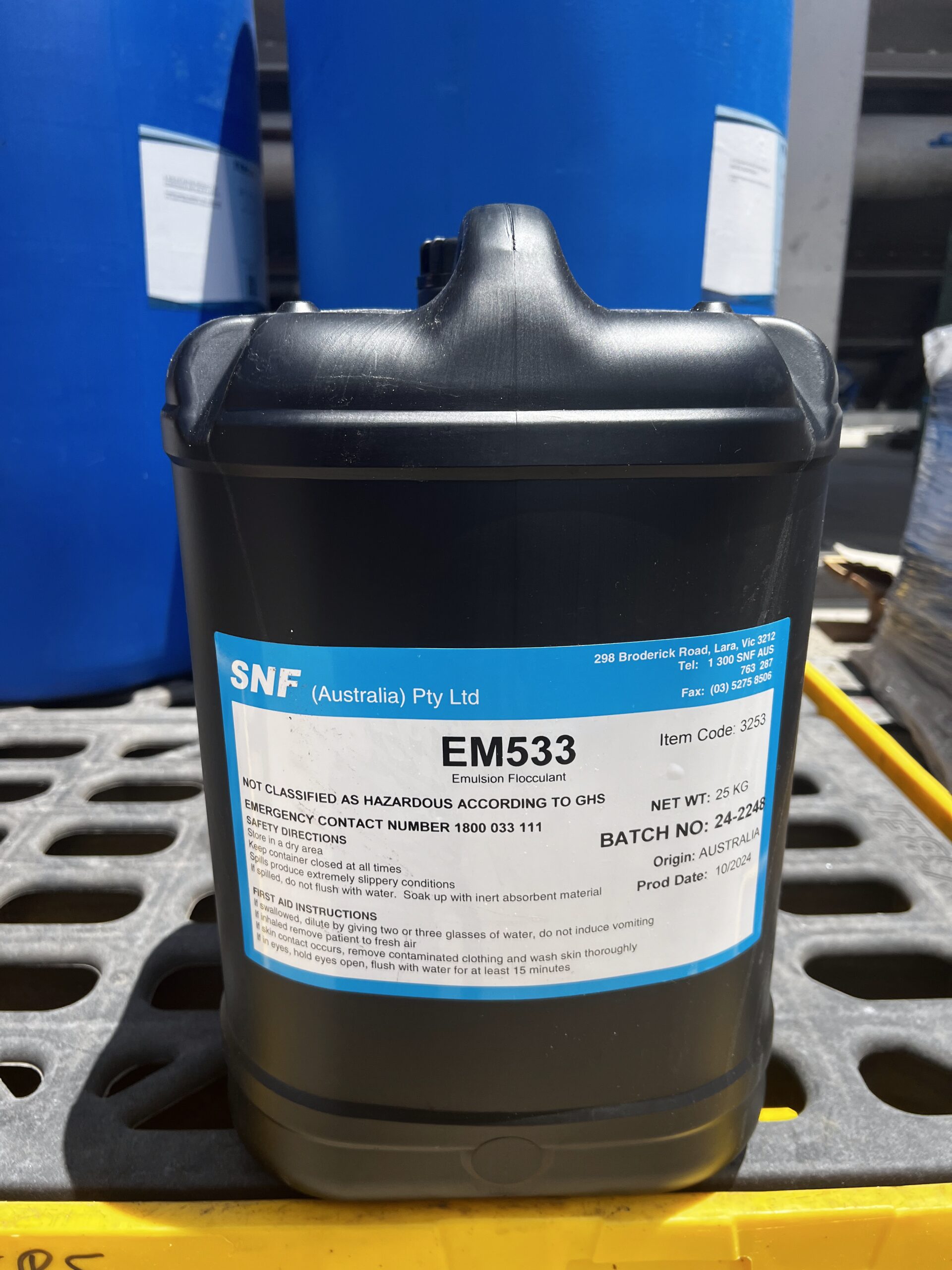
Plant-Based Coagulant
What a plant based coagulant is
You are looking at a coagulant that comes from plants rather than heavy metals or complex synthetics. A plant based coagulant is a naturally sourced compound that helps fine particles come together so they can be removed by settling or filtration. The sources include seeds and bark and other botanical matter. In modern practice, refined tannins from tree bark have become the most practical option for industrial and municipal plants because they deliver consistent charge neutralisation without the knock on effects you can see with some conventional salts.
For a working site, the value is direct. You want clear water, predictable operation, and fewer side effects in the rest of the train. Plant derived chemistry can cut turbidity and colour, protect alkalinity, and lower the volume of sludge you must handle. It gives you a cleaner story for stakeholders who care about safety and the environment while keeping the first priority on performance.
Why operators are moving to plant derived chemistry
Traditional coagulants do their job, and many plants have relied on aluminium or ferric salts for years. The problem is the baggage that can follow. Acid load drives corrective caustic use. Corrosivity can creep into contact areas. Sludge volumes rise and become expensive to cart. Questions about residuals and long term impact come up in certain applications. All of this adds cost and friction without improving the core outcome.
Plant based coagulants remove much of that background noise. They are biodegradable, non toxic in normal use, and kinder to downstream steps. Operators often see steadier pH through the train, calmer filters, and fewer alarms in membrane systems when pretreatment behaves well. The direction of travel in the industry is clear. You still judge on results first, but you expect those results with a lower total chemical burden and a smaller set of compromises.
How plant based coagulants work
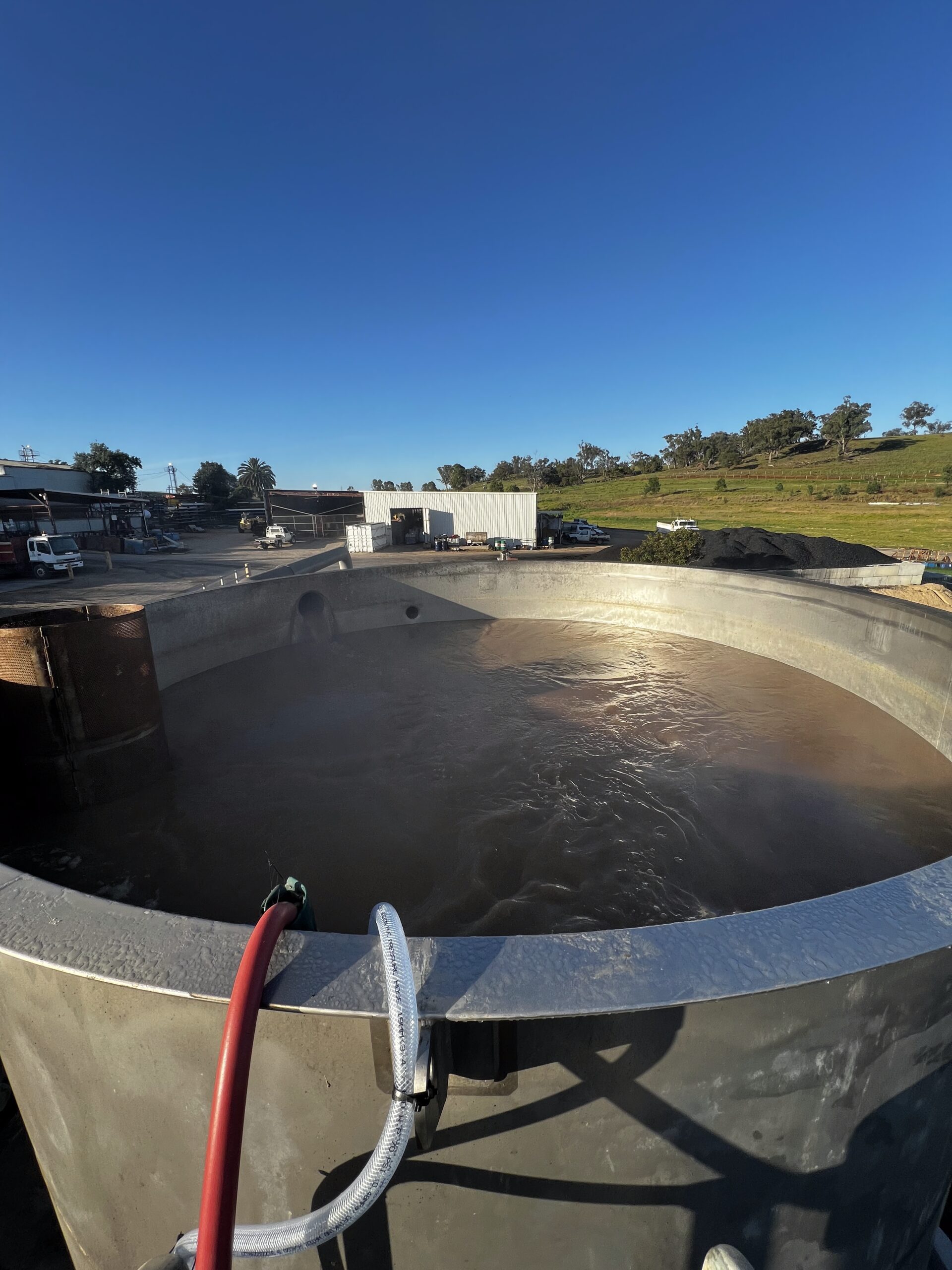
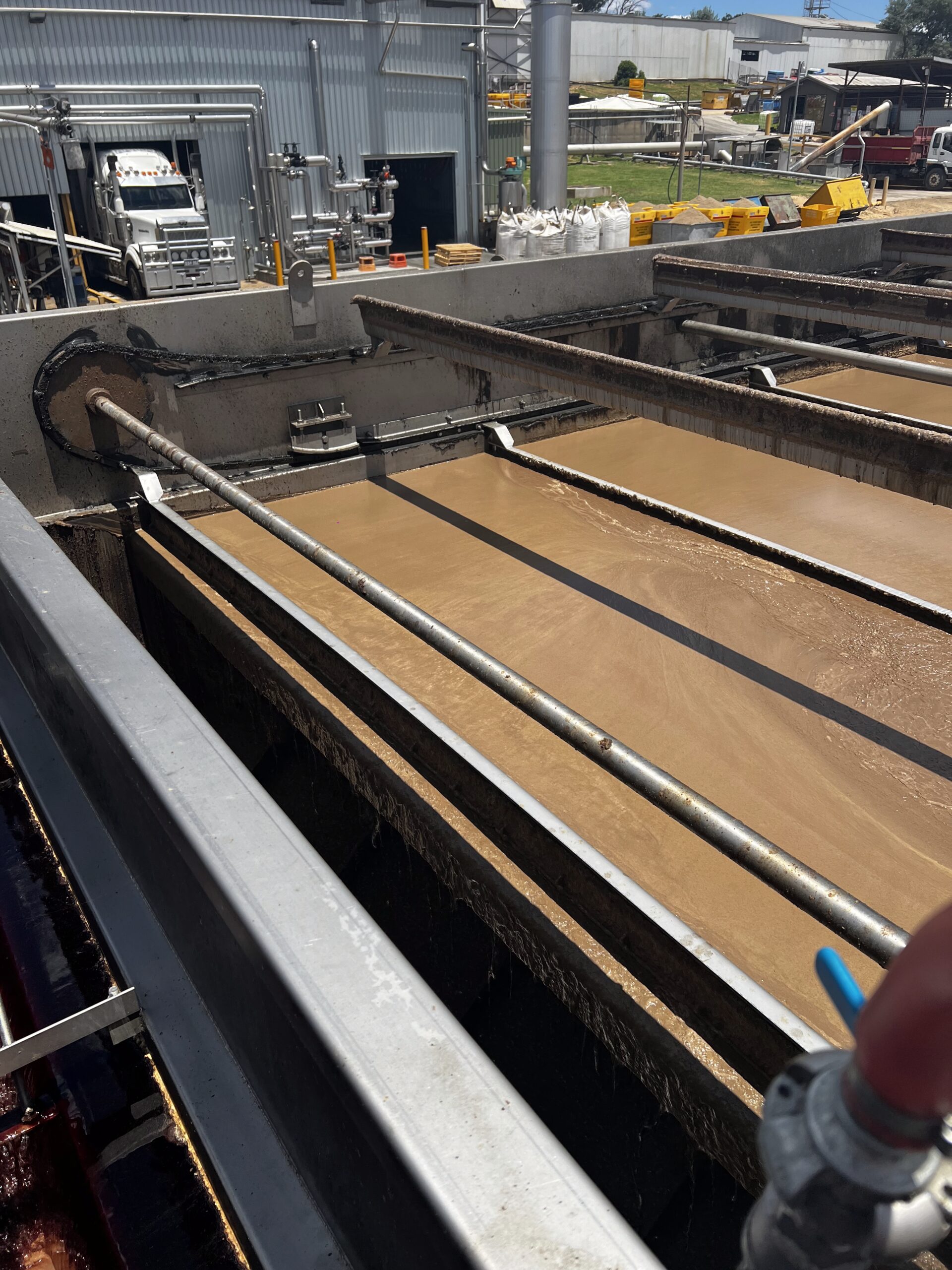
The science is familiar. Fine particles in water carry a negative surface charge that keeps them apart. A coagulant brings a positive charge to the mix, which reduces repulsion and lets those particles collide and stick. With controlled mixing, small clusters build into floc that is heavy enough to settle in a clarifier or be captured by filters. Plant derived coagulants do this without the strong acid behaviour seen with some salts, so alkalinity is preserved and downstream biology and membranes are easier to manage.
You still need good fundamentals. The right dose window, sound mixing, and a plant run within agreed set points will decide success. When those basics are respected, plant based options produce robust floc and steadier performance in the next steps
Tannin based options that fit real plants
Tannin is a natural compound found in bark and other botanical materials. In refined form, it becomes a powerful coagulant that feels familiar to operators yet behaves differently where it matters. You can dose within a comfortable pH range. You can reduce corrective caustic because the chemistry is pH friendly. You often see lower sludge volumes with better dewatering behaviour. You avoid residual concerns linked with some synthetic polymers.
Tanafloc formulations are built on this refined tannin base. They are designed to handle colour and fine solids across a range of raw waters and seasons. They are supplied in liquid and solid forms to suit your storage and dosing set up. The intention is simple. You keep the plant you have. You change what you dose, verify the effect, and move forward with confidence when the data supports the switch.
Where it belongs in your treatment train
You are not rebuilding your site around a new chemical. You are improving a key step and protecting everything that follows.
Potable and municipal
You want clear, compliant water at a fair cost. Tannin coagulants form strong floc in the presence of natural organic matter and seasonal algae. By being pH friendly, they help preserve alkalinity and ease the load on filters and membranes. That steadies the plant without leaning on corrective dosing.
Food and drink processing
You run DAF and clarification on a blend of fats, proteins, and variable solids. Tannin chemistry pairs well with this profile. Operators often report consistent floats, calmer pH, and easier handling of skimmings and sludge, especially when the line sees load swings.
Red meat, poultry, and dairy
You face high TSS, COD, colour, and fat loads. Tannin coagulants help you hit consent limits by forming fast settling floc and supporting capture in DAF. The attraction is the chance to cut the total chemical burden while keeping removal where it needs to be.
Mining and industrial water
You manage complex chemistry with tight targets for discharge or reuse. Tannin grades remove colour and suspended solids without forcing pH down. That keeps neutralisation predictable and can reduce corrosion concerns at contact points.
Membrane pretreatment
Membrane life depends on steady, well prepared feed. By creating dense, fast settling floc without strong acid behaviour, plant based coagulants support pretreatment for reverse osmosis. The goal is lower fouling pressure, fewer alarms when feed quality moves, and longer intervals between cleans.
The process from contact to results
You do not buy a drum. You buy a result. We keep the method clear and accountable so you can prove fit on your own water before you commit.
Discovery
You set objectives, limits, and constraints. We review raw and treated quality, current dose plans, mixing conditions, set points, and any risk areas around product, people, or assets. Together we agree the measures that define success, such as turbidity, colour, TSS, COD, phosphorus, and any site specific targets.
Bench screening
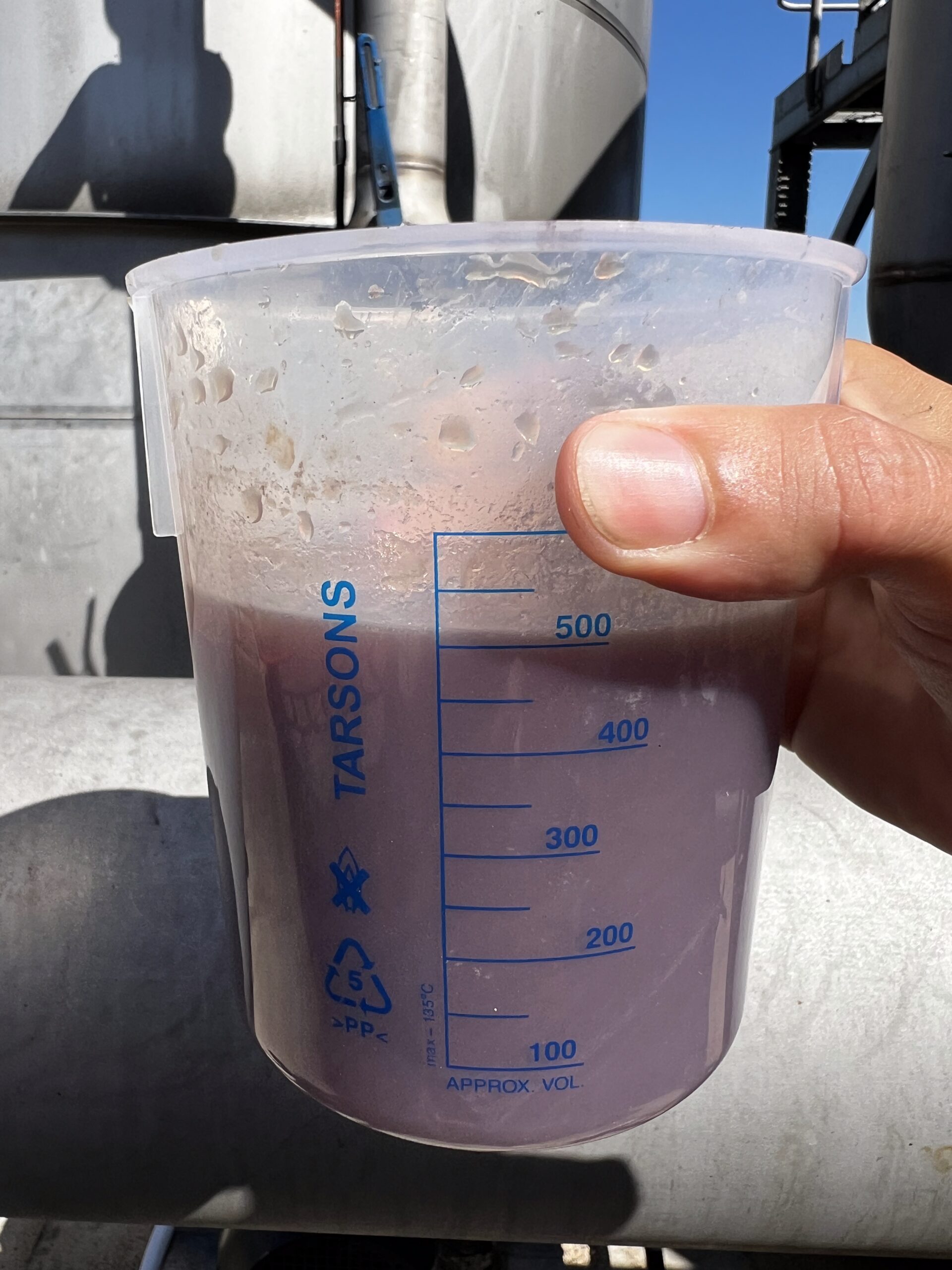
We run jar tests with representative samples to select the right grade and bracket an initial dose range. If helpful, we test against your incumbent chemical for a like for like comparison. You receive a short report with data, observations, and a simple plant trial plan with roles and dates.
Plant trial
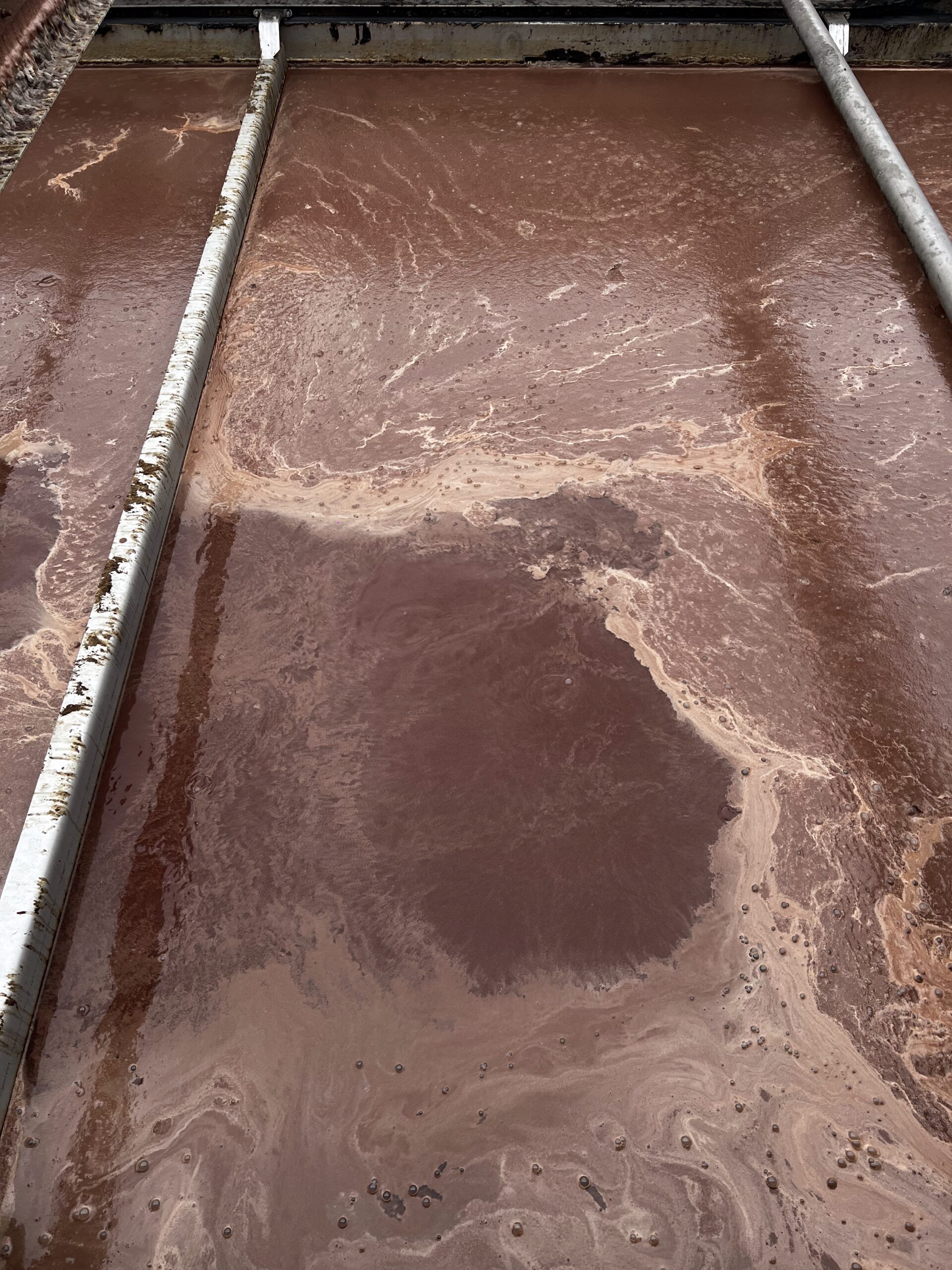
You run the natural coagulant on a DAF, clarifier, or line for an agreed period. Temporary dosing can be used if needed. We capture dose, pH, temperature, flow, and outcomes at set intervals so you can see the impact against baseline. The goal is confidence for your operators and proof you can defend.
Scale and optimise
You move to permanent dosing once the trial ticks your boxes. We work with your team on set up, SOPs, and seasonal tuning. You receive ongoing support through site visits and lab checks so the plant stays steady through the year.
Pricing and value you can verify
You pay for outcomes, not marketing. Price per litre is only one line in the story. The real picture sits in dose per kilolitre, any reduction in caustic demand, the sludge you need to handle and cart, and the risk you remove by keeping the plant calm. We put those numbers on one page with your own data so you can see the net effect and sign off with confidence.
If you have chased the cheapest line item in the past, this is a shift. It is about the whole chemical burden, the behaviour of your solids, and the time your team spends chasing a moving set point. When quality and cost point the same way, the choice is simple.
Performance and dosing guidance
Plant based coagulants perform across a wide range of raw waters. Typical dose windows are in the tens of milligrams per litre. You refine them by jar testing and early trial data. Performance is influenced by particle size, temperature, organics, and mixing conditions. When you dial those in, you can remove turbidity effectively and protect downstream steps.
Compatibility is a core reason to trial tannin. A pH friendly profile supports biology, clarifiers, filters, and membranes. Lower corrosivity helps protect assets. Organic solids can support beneficial use routes such as composting or anaerobic digestion where the receiving facility is suitable. The watch point is the same as with any coagulant. Dose within the window, respect the mixing, and check the response at the plant.
Safety, storage, and handling
Standard chemical safety rules apply. You do not have the same corrosive risk profile as strong acid coagulants. Storage and dosing are familiar to operators and can often be set up with existing tanks and pumps. You receive guidance on storage temperature, line materials, and routine checks so the product stays in good condition and the dose stays steady.
Service area and support
You want local help when you need it. You are supported across Perth and regional Western Australia, including the South West, the Wheatbelt, the Great Southern, the Goldfields, the Mid West, the Pilbara, and the Kimberley, with site visits by arrangement. You are also supported on the Gold Coast and across South East Queensland, including Brisbane, Logan, Ipswich, Redland City, Scenic Rim, and Moreton Bay, with practical coverage into Tweed and the Northern Rivers where appropriate. National support is available through the Australian team for other regions. You get a single point of contact, and direct access to technical specialists when required. The aim is clear lines, rapid response, no fuss.
Your next step
You do not need a long meeting to find out if this makes sense. Share a recent data set and a short note on your plant and objectives. We will propose a jar testing plan and a simple plant trial with dates, measures, and responsibilities. You will know quickly whether this will work for you and what the change looks like in practice.