Agriculture Coagulant
Why agriculture needs a different conversation
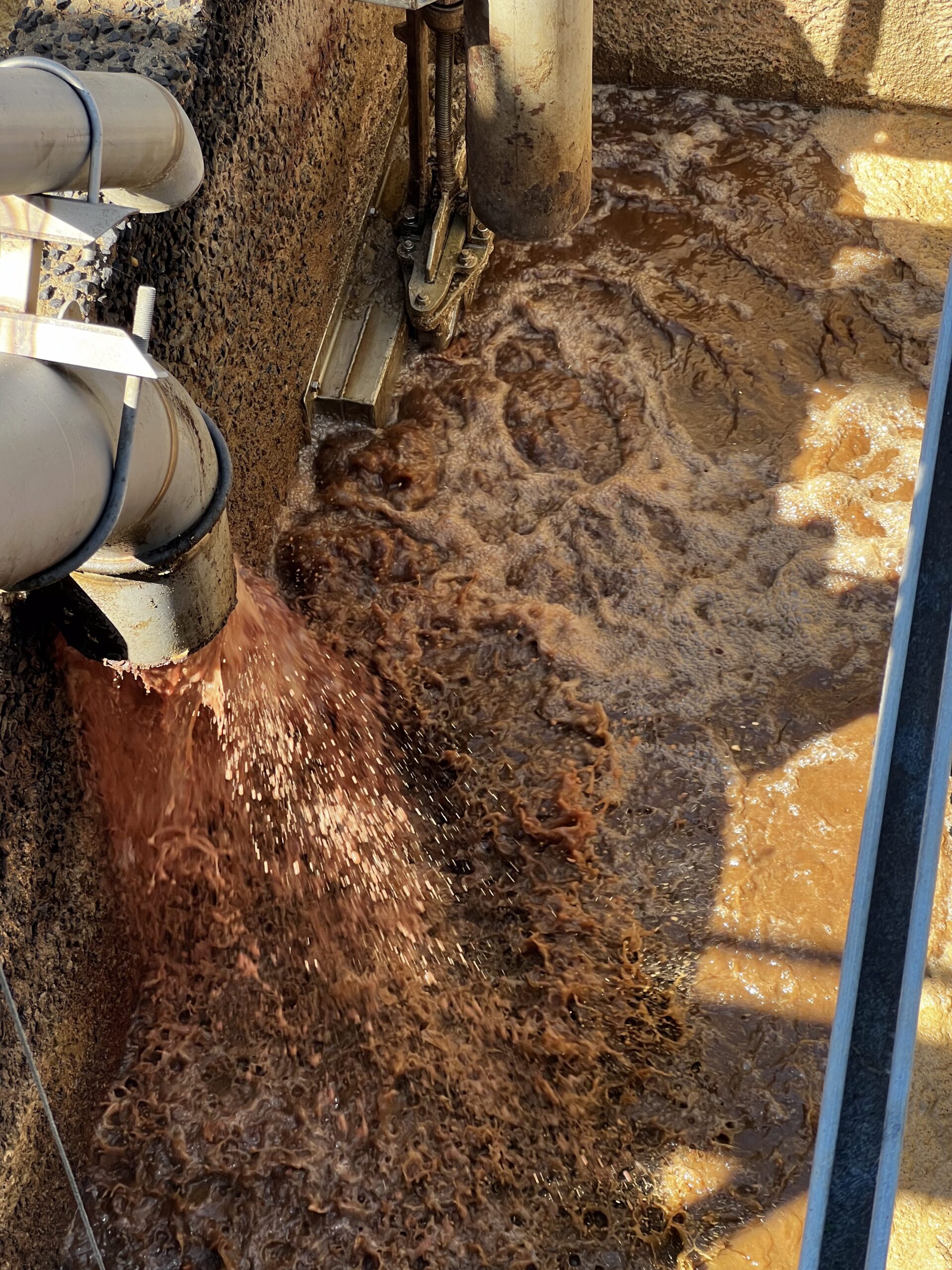
You deal with water that changes by the day. Rain turns yards and lanes into a moving mix of soil, manure, and plant matter. Washdown water carries fibres, fats, and grit. Dam levels swing with the season. Irrigation returns can load storages with fine solids and colour. If coagulation is weak, these loads move through the farm or facility and make every downstream step harder. Filters blind early, sand media needs constant backwash, emitters clog, lagoons crust and smell, and reuse targets slip. Costs rise and the team spends more time firefighting than farming.
A good coagulant stops that spiral. It neutralises charge, forms strong floc across a broad pH window, and holds together through the treatment steps you already run. It makes life easier for the rest of the system instead of pushing new problems downstream. That is why natural tannin chemistry fits agriculture so well.
What an agriculture coagulant is
You are looking at a coagulant made from plants rather than heavy metals or complex synthetics. In practice that means refined tannins from bark and other botanical sources that bring a positive charge into contact with fine particles. The charge is balanced, the particles can meet, and floc forms that will settle or be filtered. For farm and agri processing sites the appeal is practical. You want clearer water for reuse, calmer filters, steadier lagoons, and fewer side effects. Plant derived chemistry helps you cut turbidity and colour, protect alkalinity, and lower the volume of sludge you must handle. It also gives you a cleaner story for customers and regulators who want to see safe materials and sensible environmental choices.
Why operators are moving to plant derived chemistry
Metal salts do a job, and many operators have relied on them for years. The problem is the baggage that follows. Acid load drives corrective caustic. Corrosivity creeps into contact areas. Sludge volumes climb and are expensive to cart. In sensitive settings you may also field questions about residuals and long term impact. None of this improves the core result. It simply makes each shift a little harder.
Plant based coagulants remove much of that noise. They are biodegradable, non toxic in normal use, and kinder to downstream biology. You will often see steadier pH through the train, calmer filters, and fewer alarms where membranes are in play. The direction of travel is clear. You still judge on removal and compliance first, but you expect those outcomes with a lower total chemical burden and fewer compromises.
How natural tannin chemistry works
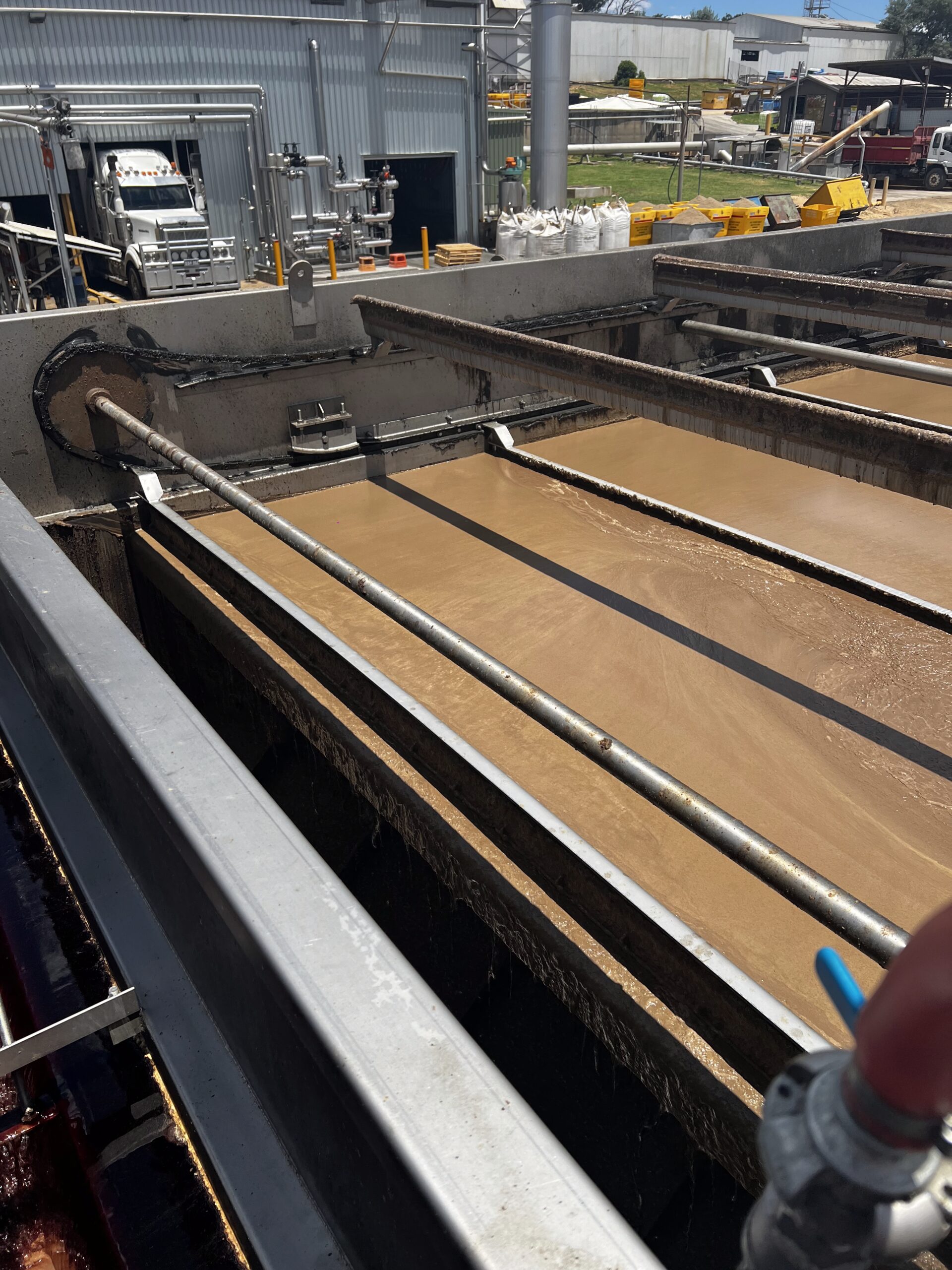
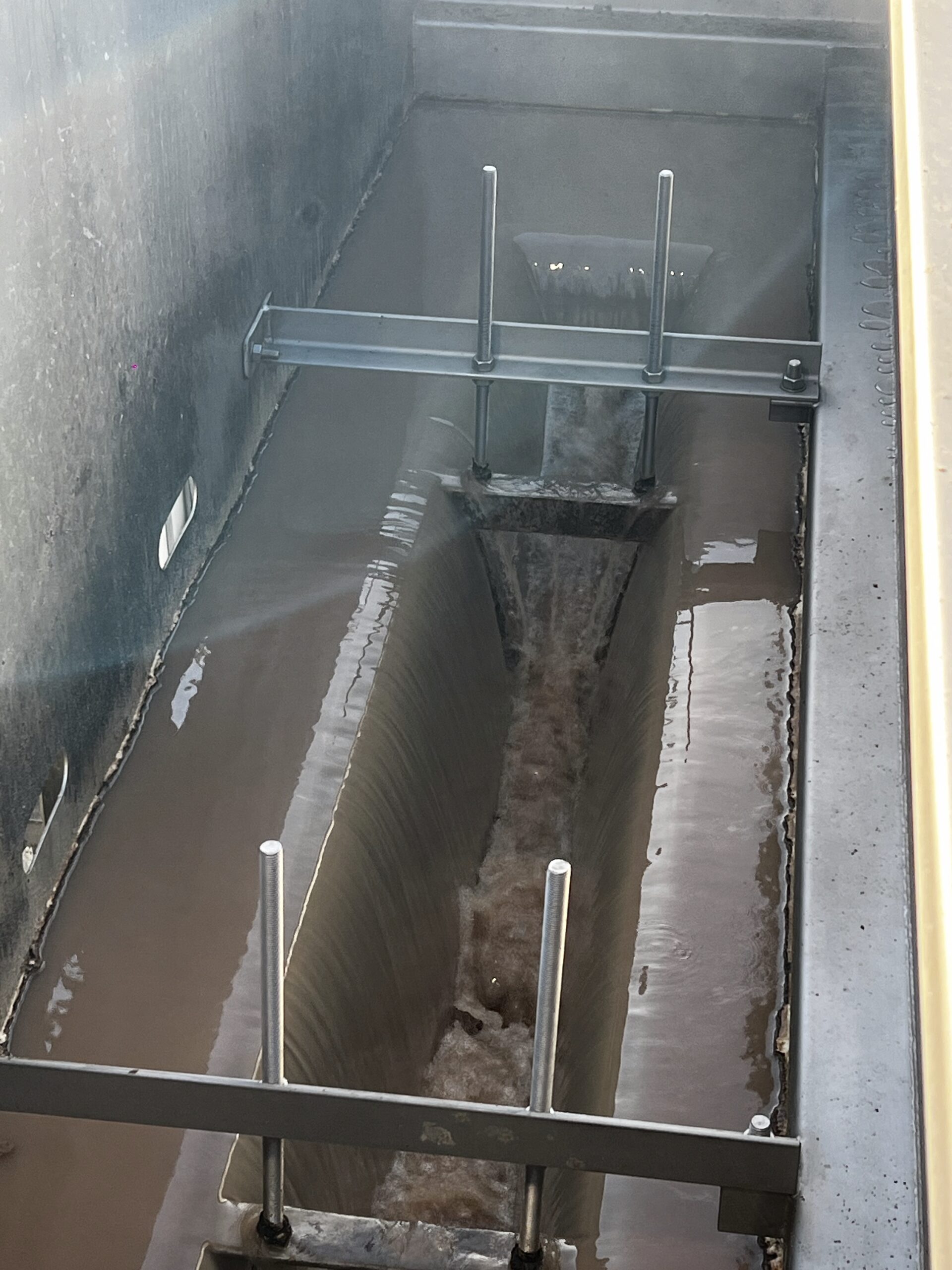
The science is familiar. Fine particles in farm water carry a negative surface charge that keeps them apart. A coagulant brings a positive charge, cuts the repulsion, and lets those particles collide and stick under controlled mixing. Small clusters build into floc that is heavy enough to settle or be captured by filters, strainers, or DAF. Tannin based products do this without the strong acid behaviour seen with some salts. That helps preserve alkalinity, calms pH swings, protects biology in lagoons, and eases the load on membranes and irrigation filters.
You still need good fundamentals. Get the dose window right, mix properly, and run within agreed set points. When you do, you can expect robust floc, calmer operations, and better protection for the steps that follow.
Where an agriculture coagulant makes a difference
You are not rebuilding your site around a new chemical. You are improving a key step and protecting the rest of the process.
Irrigation water and filtration
You want stable feed to drip and sprinkler systems. Tannin coagulants cut fine solids and colour before filtration, reduce backwash frequency for sand media, and help keep emitters open. The pH friendly profile means you can manage set points without chasing constant correction. The net effect is less downtime and lower labour on filter care.
Yard runoff and stormwater
Dairy, feedlot, and livestock washdown
Horticulture and packhouse water
Produce wash water carries soil fines, skins, and organic colour. Natural coagulants give you clearer process water, steadier filtration, and fewer nuisance foams. You can keep quality high during peak harvest without leaning on emergency cleans or constant chemical tweaks.
Wineries, breweries, and small processors on farm
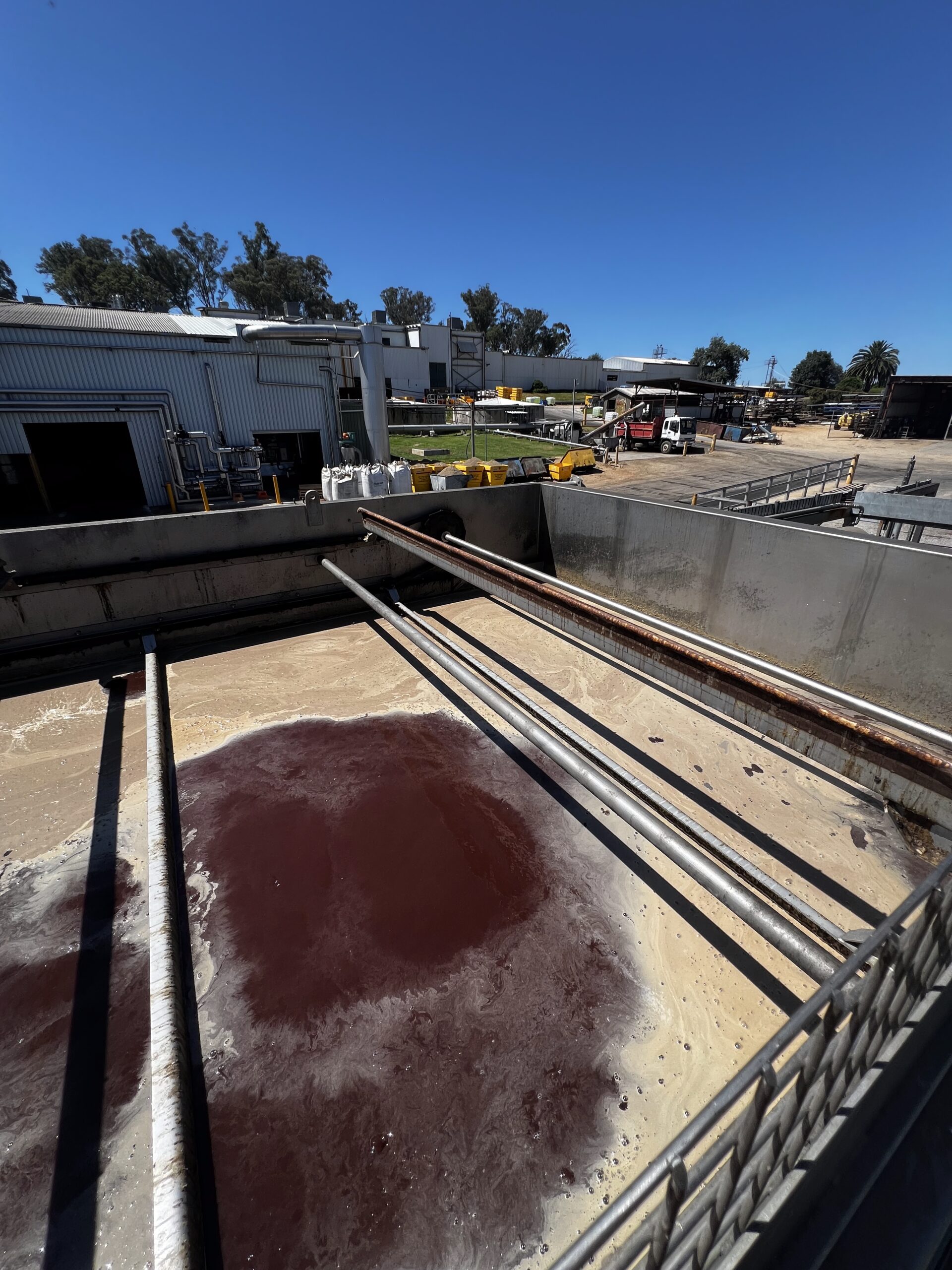
Seasonal operations see big swings in load. Tannin based coagulants cope with variable organics and temperature, which makes pretreatment more predictable. That is especially useful when storage and labour are limited and you need a simple plan that holds its shape through the season.
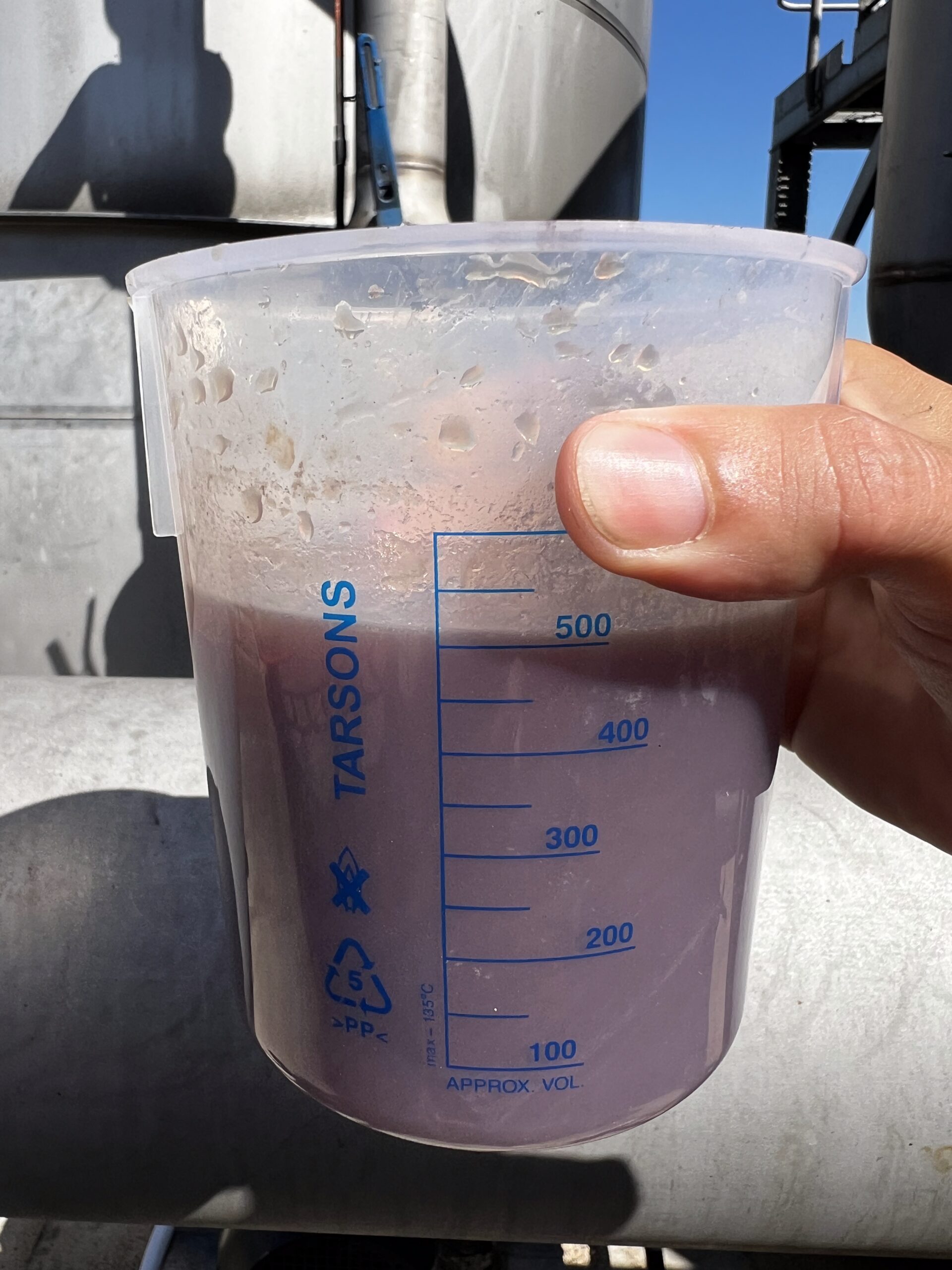
Tanafloc formulations that fit real sites
Tanafloc builds on refined tannin to deliver grades that work across farm and agri processing duties. You can dose within a comfortable pH range. You will often cut demand for corrective caustic. You can see lower sludge volumes with better dewatering behaviour. You avoid residual concerns that can come with some synthetics. Supply is available in liquid and solid formats, so you can match tanks, lines, and pumps you already have. The intention is simple. Keep the plant you have, change what you dose, verify the effect, then scale with confidence.
The process from first contact to results
You do not buy a drum. You buy a result. The method is clear and accountable so you can prove fit on your own water before you commit.
Discovery
Bench screening
We run jar tests with representative samples to select the right grade and bracket an initial dose range. If helpful, we test against your incumbent chemical for a like for like comparison. You receive a short, clear report with data, observations, and a simple plant trial plan with roles and dates.
On site trial
You run the natural coagulant on a clarifier, DAF, filter train, or line for an agreed period. Temporary dosing can be used if needed. We capture dose, pH, temperature, flow, and outcomes at set intervals so you can see the impact against baseline. The goal is confidence for your team and proof you can defend.
Scale and optimise
You move to permanent dosing once the trial ticks your boxes. We work with your team on set up, SOPs, and seasonal tuning. You receive ongoing support through site visits and lab checks so the system stays steady through planting, harvest, and wet seasons.
Pricing and value you can verify
You pay for outcomes, not marketing. Price per litre is only one line. The real picture sits in dose per kilolitre, any reduction in corrective caustic, sludge you need to handle and cart, filter backwash frequency, emitter maintenance, tanker movements, and lagoon stability. We put those numbers on one page with your own data so you can see the net effect and sign off with confidence.
If you have chased the cheapest line item in the past, this is a shift. It is about the whole chemical burden, the behaviour of your solids, and the time your team spends chasing a moving set point. When quality and cost point the same way, the choice is simple.
Performance and dosing guidance
Agriculture water is variable, which is why dose windows are set by testing rather than guesswork. Typical dose sits in the tens of milligrams per litre and is refined by jar tests and the first weeks of trial data. Performance is influenced by particle size, temperature, organics, and mixing. When you dial those in you remove turbidity effectively and protect downstream steps.
Compatibility is a core reason to trial tannin. A pH friendly profile supports lagoons, clarifiers, filters, and membranes. Lower corrosivity helps protect pumps, lines, and metalwork. Organic solids can support beneficial use routes such as composting where permitted and appropriate for the matrix. The watch point is the same as with any coagulant. Dose within the window, respect the mixing, and check the response at the plant.

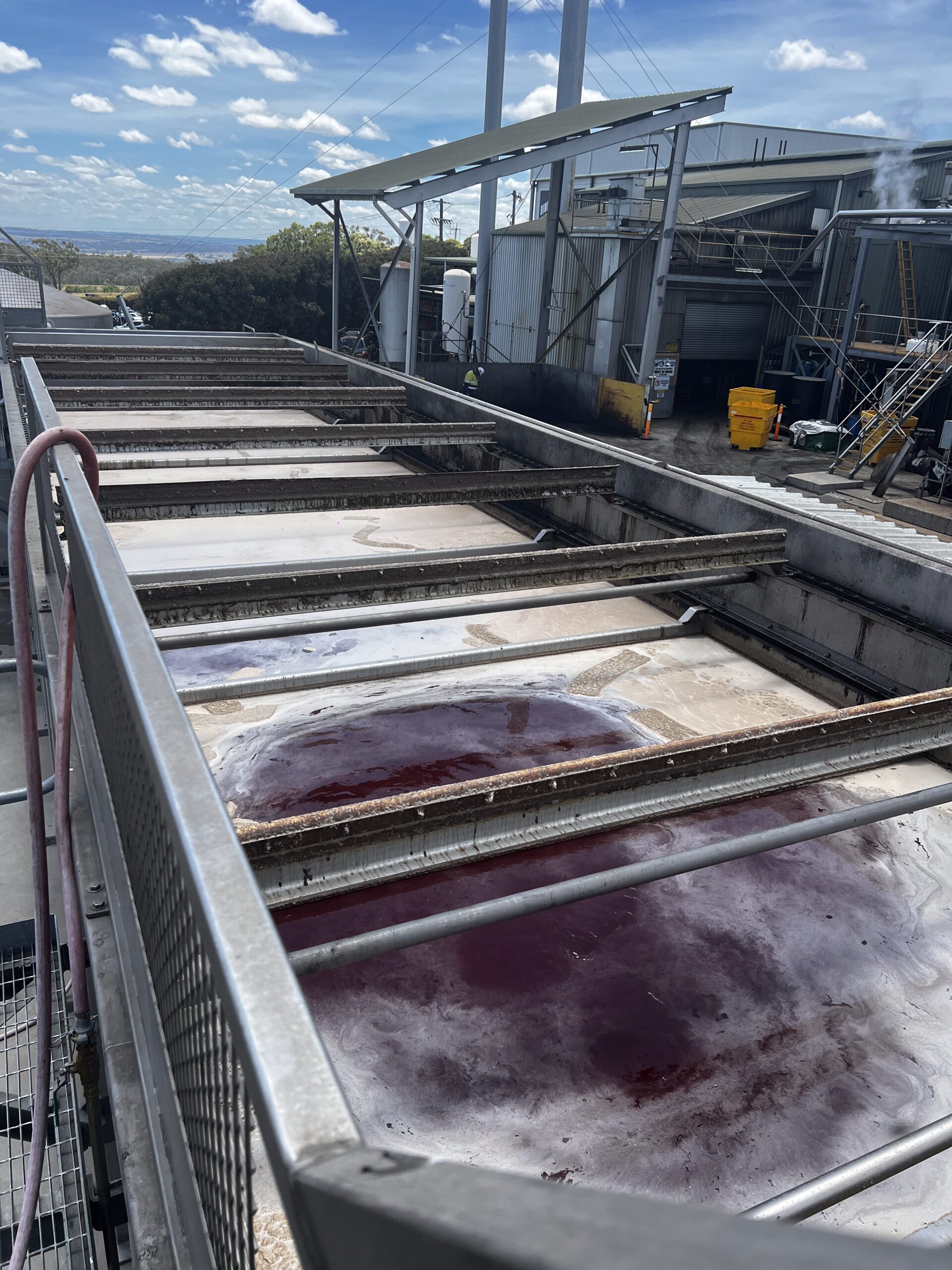
Safety, storage, and handling
Standard chemical safety rules apply. You do not have the same corrosive risk profile as strong acid coagulants. Storage and dosing are familiar to operators and can often be set up with existing tanks and pumps. You receive guidance on storage temperature, line materials, and routine checks so the product stays in good condition and the dose stays steady.
Service area and support
Straight answers for agriculture
Your next step