Mining Coagulant for Cleaner, Safer Mineral Processing
Why your plant needs better coagulation
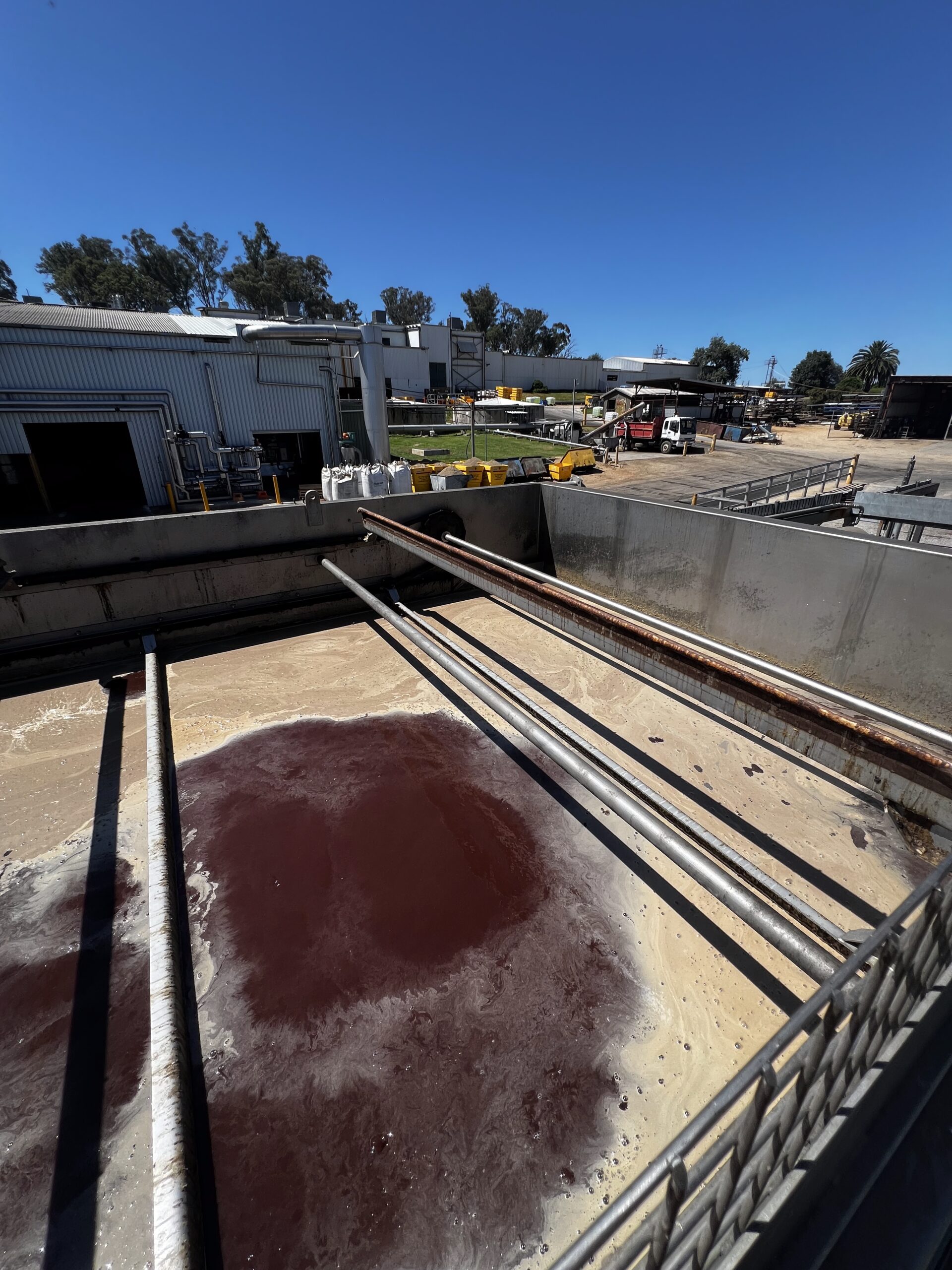
You are measured on compliance, water reuse, and the cost of keeping your processing lines moving. Yet the water you treat rarely behaves the same two days in a row. Crushing and grinding create fines that stay in suspension. Tailings thickeners see swings in solids and reagents. Storm events load ponds with clays and organics. When coagulation is weak, the rest of the train pays for it. Clarifiers underperform, DAF loses stability, filters blind early, thickeners slow down, and membranes foul. Chemical use climbs, operators chase set points, and you carry more risk than you need to.
A better coagulant is a simple way to steady the whole system. Get charge neutralisation right, build strong, compact floc within a comfortable pH window, and you give every downstream step a calmer feed. That is the practical value of plant derived tannin chemistry in mineral processing.
What a mining coagulant must do
You want clarity and control without creating new problems elsewhere. A credible mining coagulant needs to neutralise charge reliably, form dense floc that settles or floats cleanly, keep working when temperature drops or fines load rises, and protect alkalinity rather than consume it. It should simplify life for thickeners, filters, and membranes, not make their job harder. Most of all, it should be easy to prove on your own water before you commit.
The case for plant derived tannin chemistry
Tannin based coagulants, such as Tanfloc, are refined from renewable plant sources. You get the separation performance you expect from a primary coagulant with practical advantages that matter on site. You can work within a broad, comfortable pH range. You reduce demand for corrective caustic because the chemistry is pH friendly. You can expect lower sludge volumes with better dewatering behaviour. You avoid concerns about adding metals in applications where that matters. If you currently lean on aluminium or ferric salts, you know the side effects already. Extra caustic to balance acid load. Corrosion pressure at contact points. Heavy sludge that is costly to cart and difficult to put to beneficial use. Tannin chemistry gives you another path. You keep the removal outcomes you need and open cleaner solids options where permitted and suitable.
How tannin coagulants work in mining water
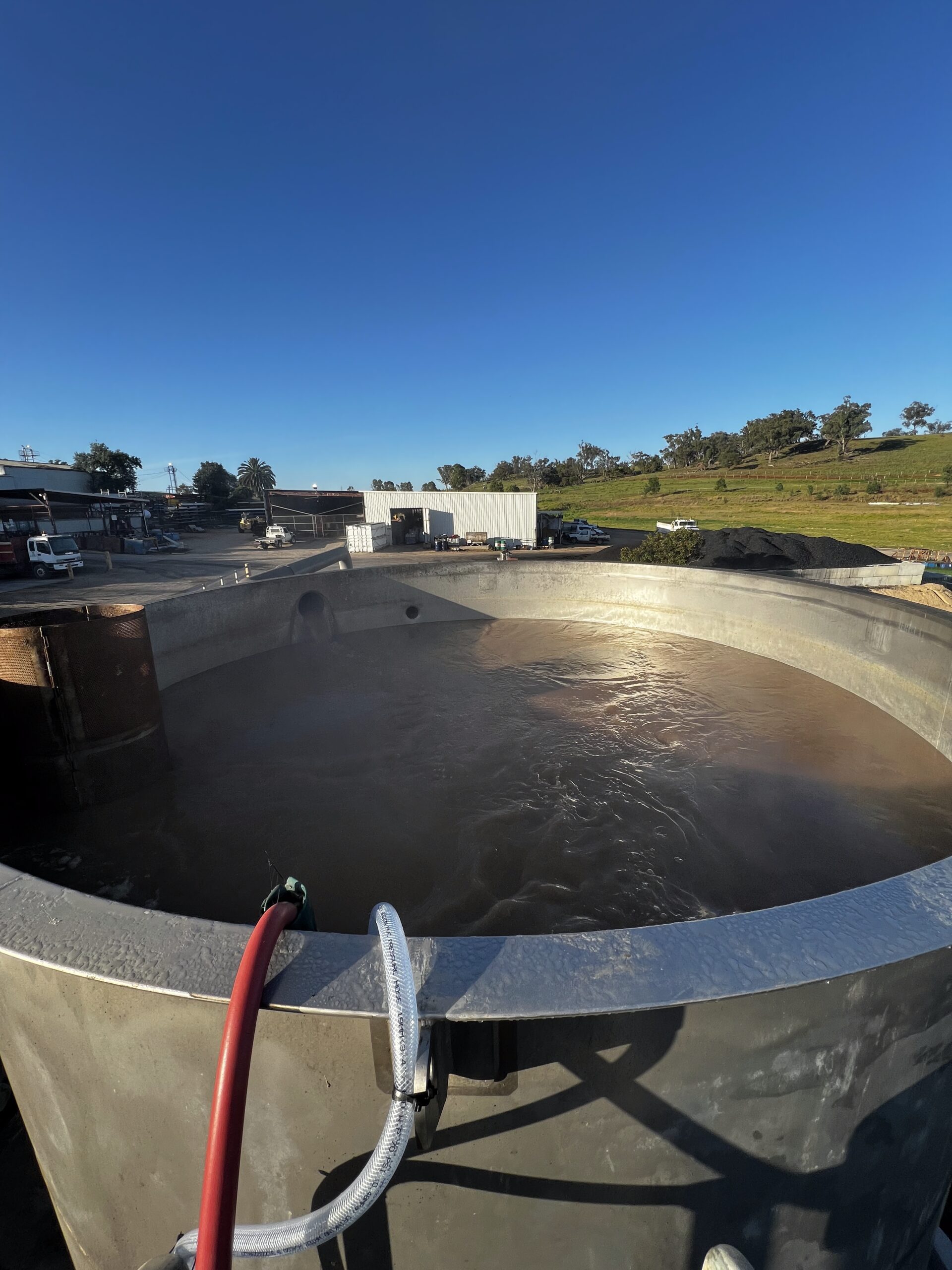
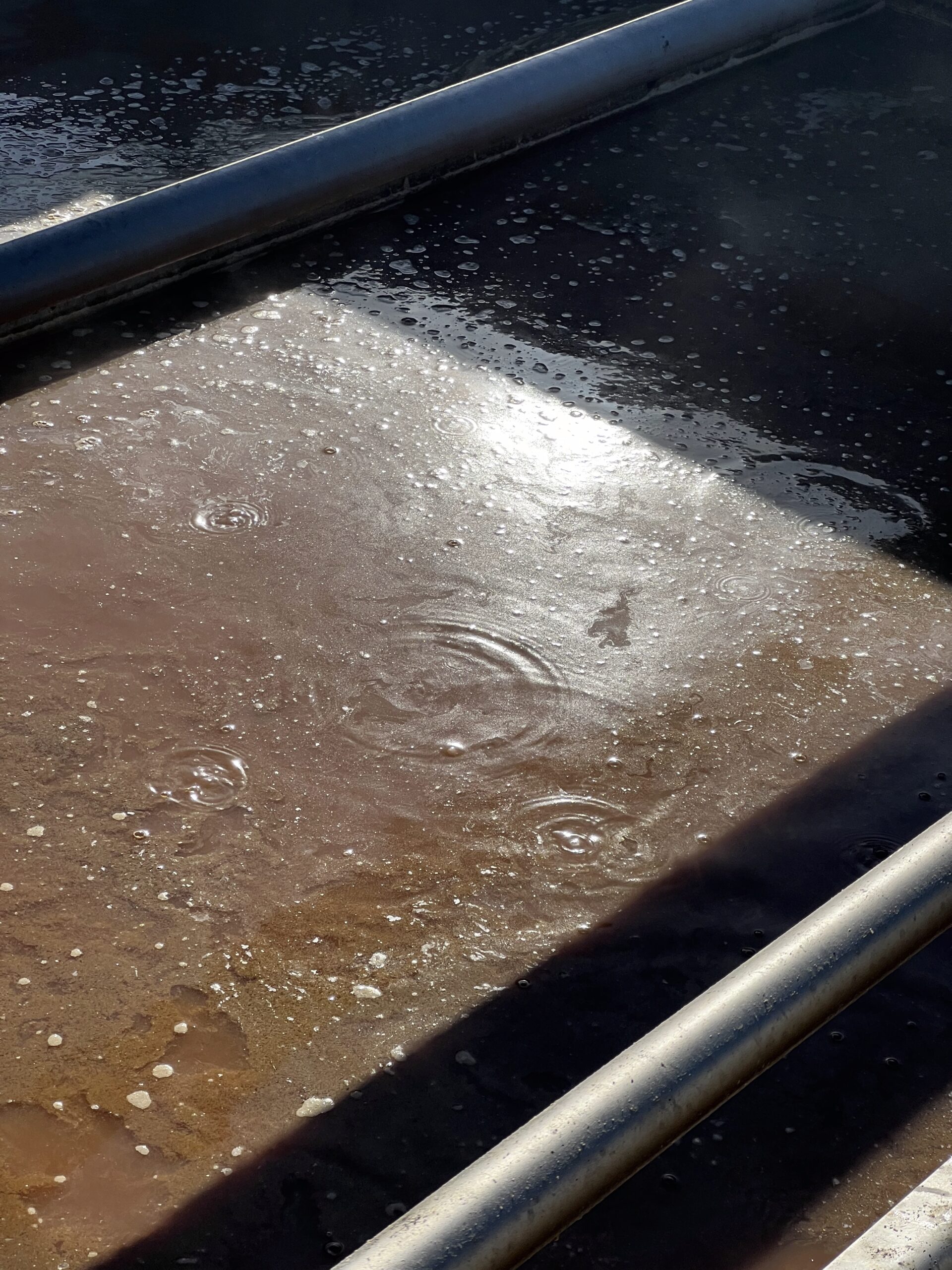
The mechanism is familiar. Fine particles and colloids carry a negative surface charge that keeps them apart. A coagulant introduces a positive charge, reduces repulsion, and lets those fines collide and stick. Under controlled mixing, microfloc grows into compact floc that will settle in thickeners and clarifiers or be floated on DAF for capture. Tannin coagulants do this without strong acid behaviour. That helps preserve alkalinity through the train, steadies pH for biology where present, and eases the load on membranes and other polishing steps.
You still need sound fundamentals. Dose must sit within the right window for your water, mixing has to be right, and operators need clear rules to run the system within the agreed set points. When those basics are respected, you get robust floc, cleaner separation, and fewer surprises.
Where a mining coagulant makes the largest difference
You are not rebuilding your plant around a new chemical. You are improving a key step and protecting everything that follows.
Tailings and thickener circuits
Fines and clays slow settlement and stretch residence time. Tannin based coagulants create compact floc that consolidates faster and supports clearer overflow. That can reduce carry over to ponds, steady rake torque, and help filters work with a more consistent feed cake.
Clarifiers and DAF for process water
Variable loads and reagent residues can push clarifiers and DAF off balance. A pH friendly coagulant calms the inlet, supports rapid floc formation, and improves turbidity reduction without leaning on constant pH correction. Operators often report steadier floats, less foaming pressure, and fewer interventions across shifts.
Membrane and reuse trains
Membranes live and die by pretreatment. By producing dense floc without pushing acidity, tannin chemistry supports lower fouling pressure and more predictable cleaning intervals. That protects asset life and reduces unplanned downtime.
Stormwater and pit dewatering
Weather can load systems with silt, clays, and organic colour in a matter of hours. A coagulant that performs across a wide pH window and changing temperatures gives you a faster, more repeatable response when you need to turn a brown flow into clear water that meets limits.
From sample to steady state: the implementation plan
You do not buy a drum. You buy a result. The path below gives you proof on your own water before you change anything permanent.
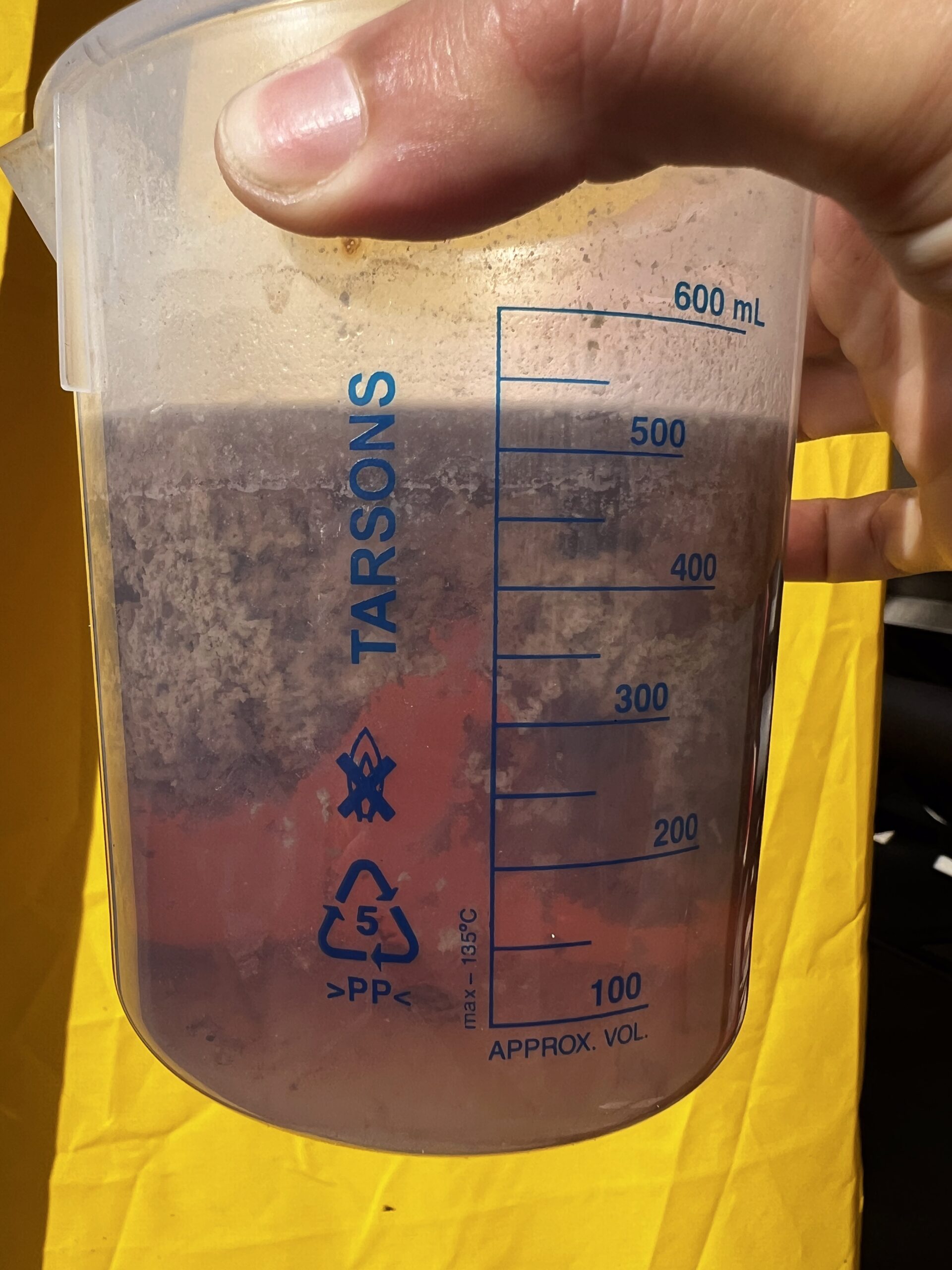
Site sample and jar testing
You provide representative samples from thickeners, clarifiers, DAF, ponds, or process lines. We run jar tests to select the right grade, bracket an initial dose, and observe floc formation and separation. Where useful, we test side by side with your incumbent chemistry for a like for like comparison. You receive a short, clear report with data, observations, and a proposed plant trial plan with roles and dates.
Pilot on the plant
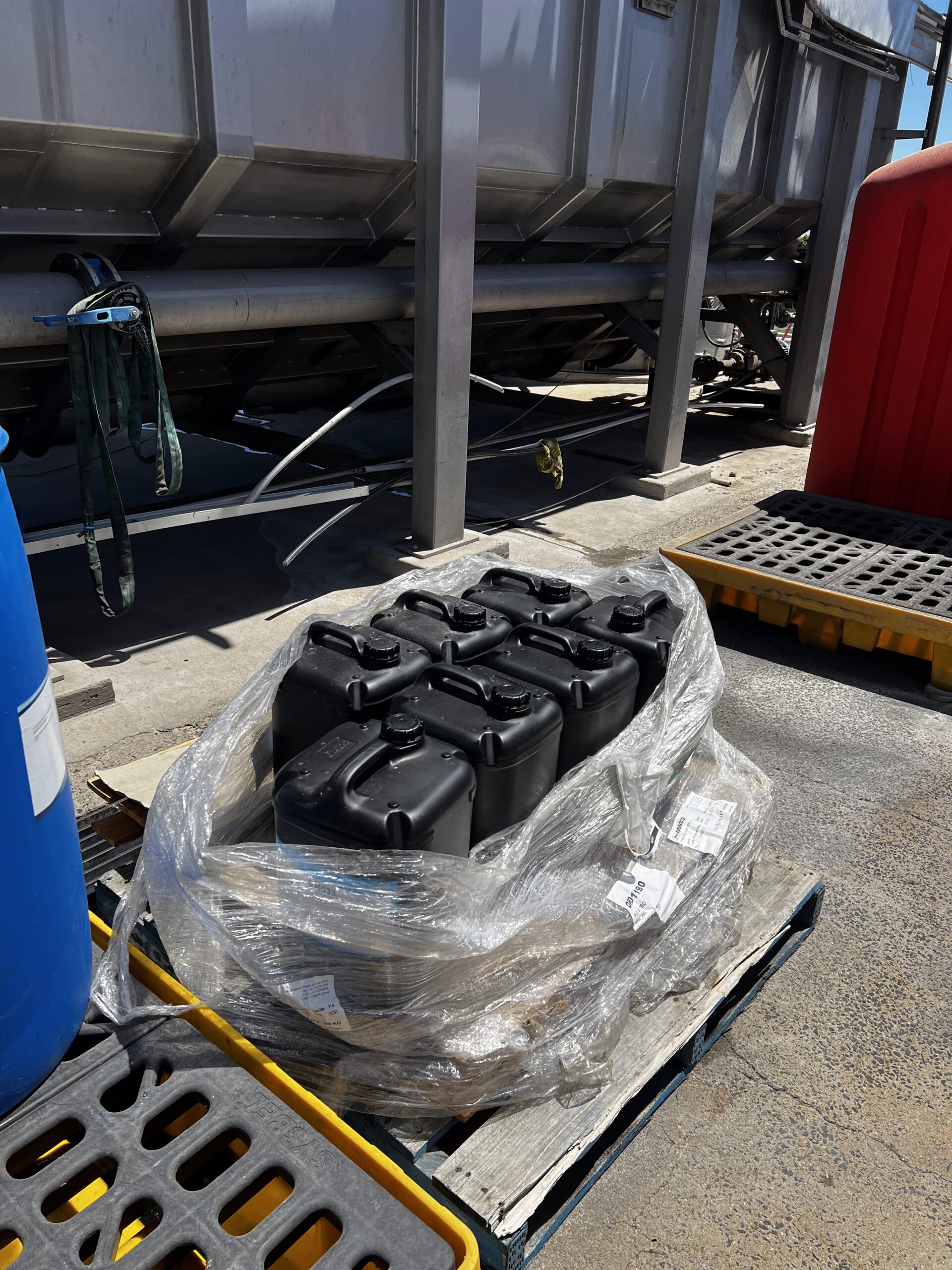
A short trial on a clarifier, thickener, or DAF confirms behaviour at scale. We track turbidity, TSS, overflow clarity, sludge production, and operator notes. The aim is to confirm the gains you can expect in stability and separation before you move to full use. Temporary dosing can be used so you can prove performance without capital work.
Full integration and monitoring
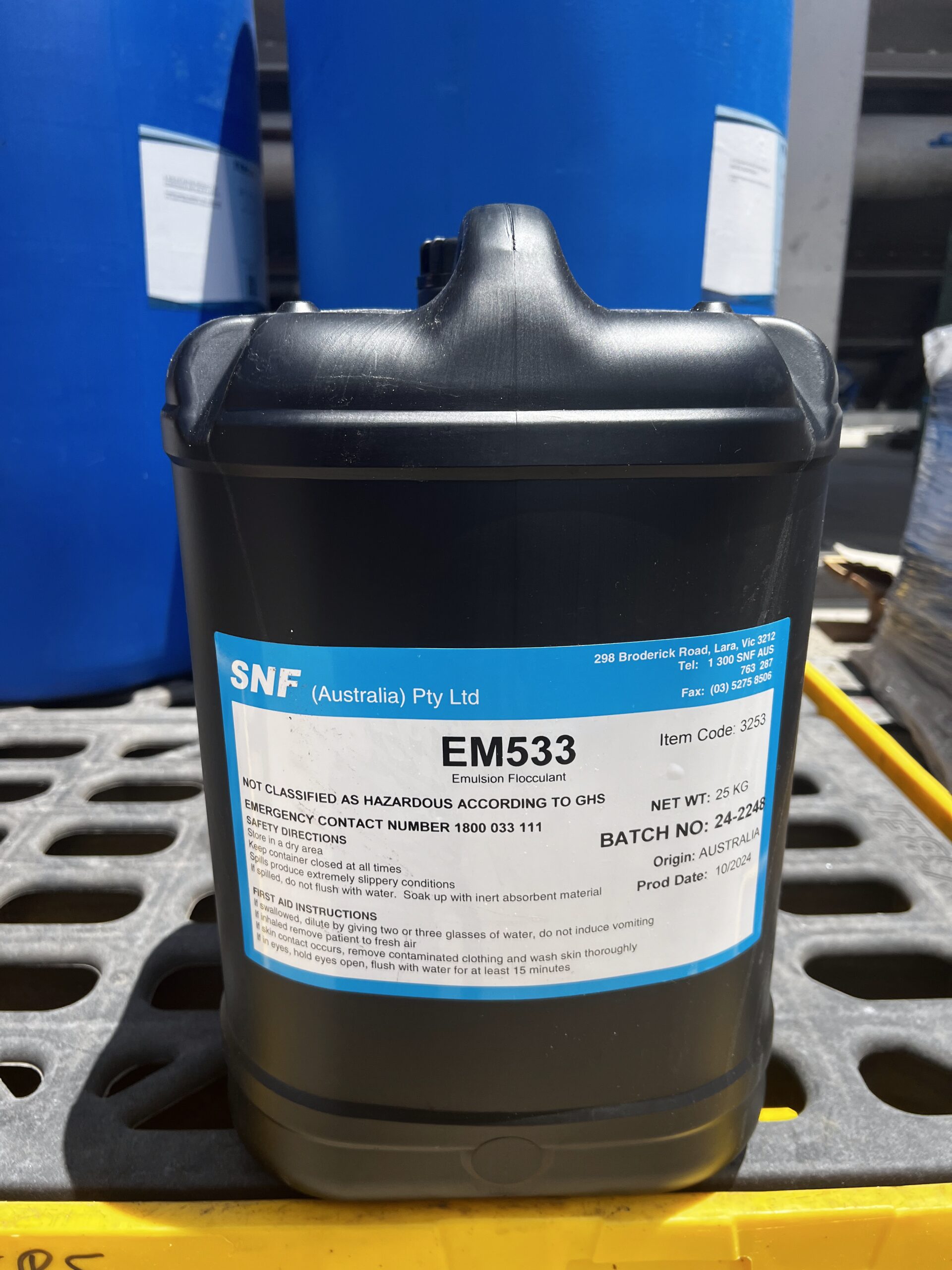
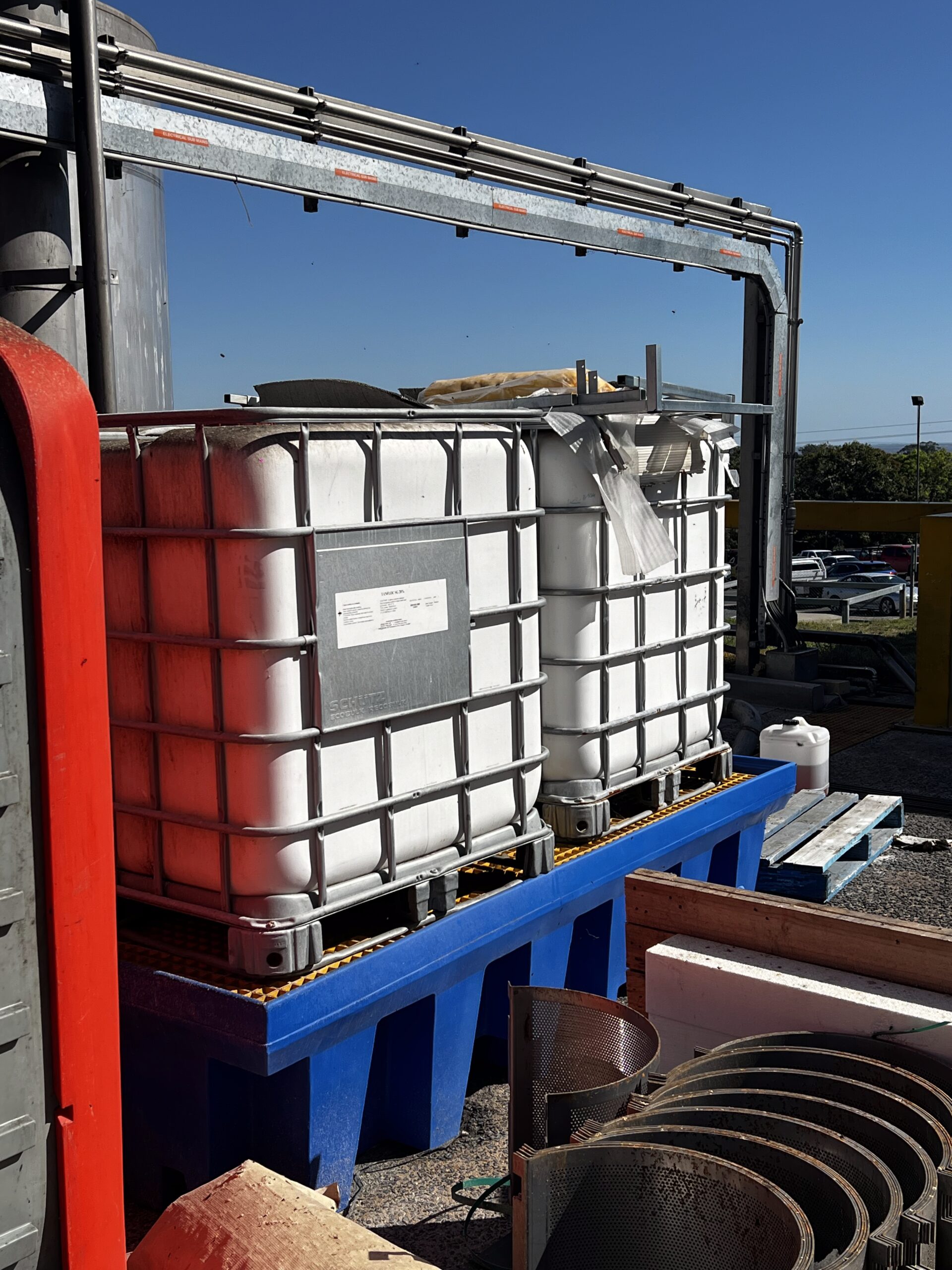
You move to permanent dosing once the trial ticks your boxes. Tanfloc is supplied in liquid or powder to suit your set up. We help set dosing points, pumps, and control logic so the dose is consistent and easy to run. Monitoring continues so dose can be tuned as feed conditions move with ore body, season, or weather.
Ongoing optimisation
Conditions change across a year. That is why you get routine checks, jar tests after seasonal shifts, and practical advice on set points and polymer pairings. The goal is steady performance, predictable sludge behaviour, and a clean record of the data your team needs for internal reports and licence documentation.
Pricing and value with the whole picture in view
You pay for outcomes, not marketing. Price per litre is only one line. The real picture sits in dose per kilolitre, any reduction in corrective caustic, sludge to handle and cart, filter and membrane cleaning cycles, and the risk you remove by keeping the plant calm. We put those numbers on one page with your own data so you can see the net effect and sign off with confidence. If you have chased the cheapest line item before, this is a shift. It is about your total chemical burden, the behaviour of your solids, and the time your team spends chasing a moving set point. When quality and cost point the same way, the choice is simple.
Safety, storage, and integration
Standard chemical safety rules apply. You do not have the same corrosive risk profile as strong acid coagulants. Storage and dosing are familiar to operators and can often be set up with tanks and pumps you already own. You receive guidance on storage conditions, line materials, and routine checks so the product stays in good condition and the dose stays steady. Integration with lime dosing, thickeners, filters, and membranes is straightforward, and the pH friendly profile supports asset life as well as performance.
Compliance and evidence
You work within a tight regulatory framework and you document what you do. The plan above gives you a clear path from lab to line to steady state with data at each step. Where suitable, you can add short case summaries to your internal reports that show baseline, dose, outcomes, and operator notes. That makes sign off easier for managers and auditors and helps your team embed the change.
Service area and support
You want local help when you need it. You are supported across Perth and regional Western Australia, including the South West, the Wheatbelt, the Great Southern, the Goldfields, the Mid West, the Pilbara, and the Kimberley, with site visits by arrangement. You are also supported on the Gold Coast and across South East Queensland, including Brisbane, Logan, Ipswich, Redland City, Scenic Rim, and Moreton Bay, with practical coverage into Tweed and the Northern Rivers where appropriate. National support is available through the Australian team for other regions. You get a single point of contact and direct access to technical specialists when required. The aim is clear lines, rapid response, and no fuss.
What you will notice on site
• Strong, fast forming floc and clearer overflow from thickeners and clarifiers
• Steadier pH across shifts with less corrective dosing and calmer DAF operation
• Lower sludge volumes with better dewatering behaviour and fewer carted loads
• More predictable pretreatment for membranes and fewer cleaning events
• Operators spending less time firefighting and more time running the plan
Your next step
You do not need a long meeting to test this properly. Share a recent data set and a short note on your plant and objectives. We will propose jar testing and a simple plant trial with dates, measures, and responsibilities. You will know quickly whether this fits and what the change looks like in practice.