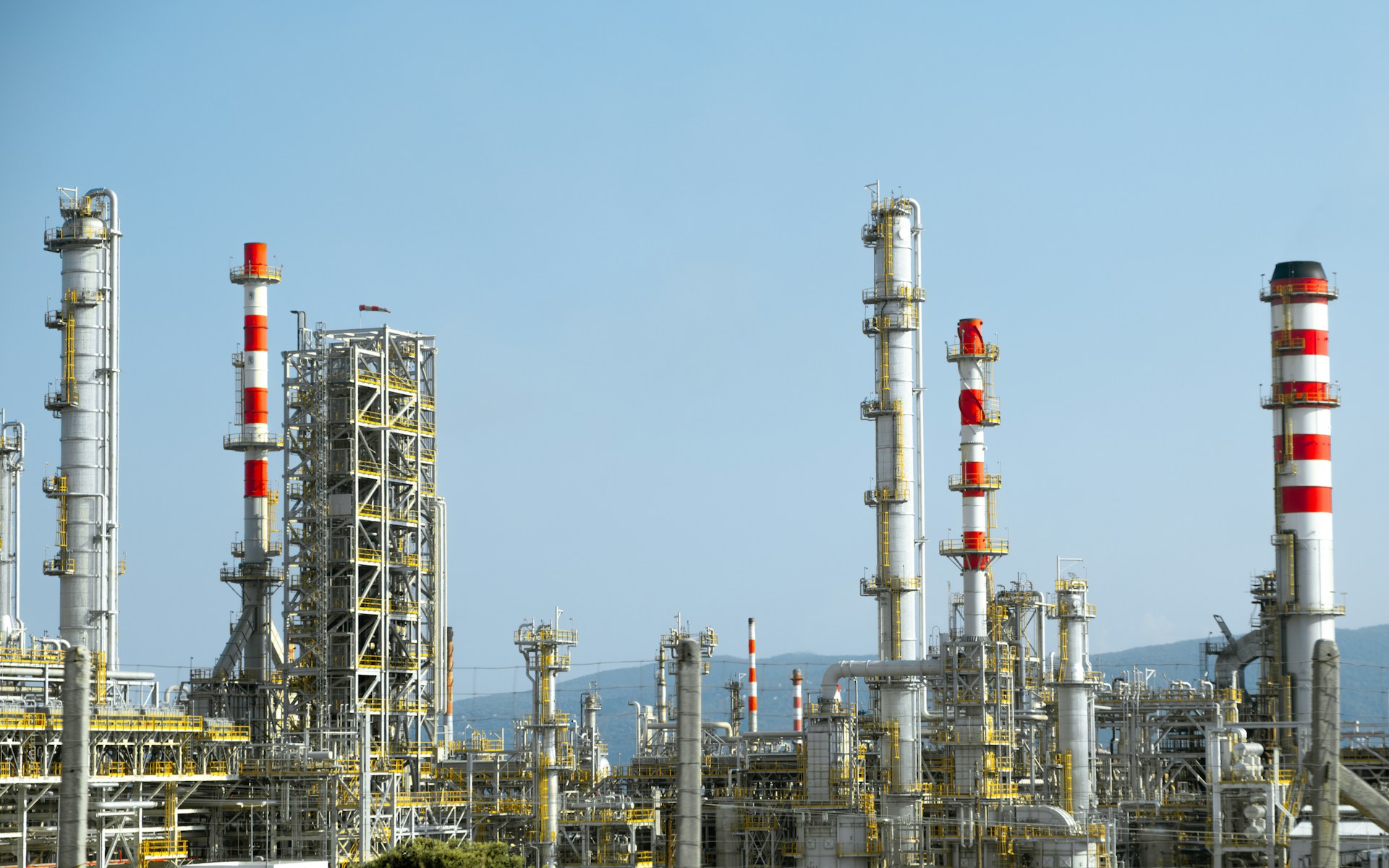
In the beverage industry, managing wastewater is no small feat. With strict regulations in place, producers must find effective ways to treat their wastewater. This is where coagulants come into play. These substances help in cleaning up the water before it’s released back into the environment. In this article, we’ll explore why beverage wastewater coagulants are essential for ensuring safety and compliance in the industry.
Key Takeaways
- Beverage producers must follow strict water discharge regulations to avoid penalties.
- Coagulants like Tanfloc are vital for treating high-sugar wastewater effectively.
- Managing pH levels and colour in wastewater is crucial for compliance.
- Case studies show successful use of coagulants in breweries and soda plants.
- Future trends indicate a push for innovative coagulant solutions and sustainability in wastewater management.
Understanding Beverage Wastewater Regulations
Overview Of Water Discharge Standards
Okay, so when it comes to treating brewery and juice plant effluent, there are rules. Lots of them. These rules, or water discharge standards, are there to make sure that the water chucked back into the environment isn’t going to cause any dramas. We’re talking about things like limits on the amount of certain substances that can be in the water, like sugar, chemicals, and solids. Different states and territories might have slightly different rules, and even local councils can get in on the act with their own bylaws. It’s all about keeping our waterways healthy and preventing pollution.
Impact Of Non-Compliance On Beverage Producers
What happens if you don’t play by the rules? Well, it’s not pretty. Non-compliance can lead to some serious headaches for beverage producers. We’re talking fines, which can be hefty, and even legal action in some cases. But it’s not just about the money. A bad reputation can really hurt a business, especially these days when people are so aware of environmental issues. Plus, consistently failing to meet standards can lead to your operations being shut down. No one wants that. So, staying on top of Tanfloc’s capabilities is super important.
Importance Of Sustainable Practises
These days, it’s not enough to just meet the minimum requirements. Consumers are demanding more. They want to know that the companies they’re buying from are doing their bit for the environment. That’s where sustainable practises come in. It’s about finding ways to reduce your environmental footprint, whether that’s by using less water, reducing waste, or finding more eco-friendly ways to treat wastewater. Embracing sustainability isn’t just good for the planet; it’s good for business. Here are some ways to be more sustainable:
- Reducing water usage in production.
- Implementing better waste management systems.
- Using eco-friendly wastewater treatment solutions.
Sustainable practises are becoming increasingly important for beverage producers. By adopting these practises, companies can reduce their environmental impact, improve their reputation, and ensure long-term viability.
The Role Of Coagulants In Wastewater Treatment
So, what’s the deal with coagulants and why are they so important in treating wastewater, especially in the beverage industry? Well, it all boils down to cleaning up the water we use to make our drinks, ensuring it’s safe to return to the environment or even reuse. Let’s break it down.
How Coagulants Function In Wastewater Systems
Coagulants are like the cleanup crew for wastewater. They work by neutralising the charges of tiny particles suspended in the water. Think of it like this: wastewater often contains lots of tiny, negatively charged particles that repel each other, staying suspended and making the water cloudy. Coagulants, which are positively charged, come in and neutralise these negative charges. This allows the particles to clump together, forming larger, heavier clumps called floc. These clumps then settle out of the water more easily, either through sedimentation or flotation, leaving cleaner water behind.
Benefits Of Using Coagulants In Beverage Production
Using coagulants in beverage production offers a bunch of advantages:
- Improved Water Quality: Coagulants remove suspended solids, reducing turbidity and making the water clearer.
- Reduced Sludge Volume: By clumping particles together, coagulants help to reduce the overall volume of sludge that needs to be disposed of.
- Cost-Effective Treatment: Coagulation is generally a cost-effective method for treating wastewater, especially when compared to more advanced treatment processes.
- Compliance with Regulations: Using coagulants helps beverage producers meet strict water discharge standards, avoiding penalties and protecting the environment.
Coagulants are a simple yet effective way to manage wastewater. They help remove impurities, making the water cleaner and safer for discharge or reuse. This not only benefits the environment but also helps beverage companies operate more sustainably and responsibly.
Comparison Of Different Coagulant Types
There are several types of beverage wastewater coagulants available, each with its own pros and cons. Here’s a quick rundown:
|
Coagulant Type |
Advantages |
Disadvantages |
| Aluminium Sulphate | Widely available, relatively inexpensive | Can lower pH, may leave residual aluminium |
| Ferric Chloride | Effective over a wide pH range, good for removing colour | Can be corrosive, may stain equipment |
| Polyaluminium Chloride (PAC) | Effective at lower doses, less pH depression than alum | Can be more expensive than other options |
| Organic Polymers | Can be effective at low doses, produce less sludge | May be more sensitive to changes in water chemistry, can be more expensive. |
Choosing the right coagulant depends on the specific characteristics of the wastewater and the treatment goals. Factors like pH, temperature, and the type of contaminants present all play a role in determining the best option. It’s important to consider these factors to ensure effective and efficient wastewater treatment.
Key Challenges In Beverage Wastewater Management
Beverage production, while refreshing, generates some pretty tricky wastewater. It’s not just water; it’s a complex mix of sugars, acids, and colours that can cause headaches if not managed properly. Let’s look at some of the main issues.
High Sugar Content And Its Effects
One of the biggest problems is the high sugar content. Sugars in wastewater lead to a high Biological Oxygen Demand (BOD) and Chemical Oxygen Demand (COD). This means that when the wastewater is discharged, it consumes a lot of oxygen as it breaks down, which can harm aquatic life. It’s crucial to reduce COD and colour in beverage water to protect our waterways.
Managing pH Levels In Wastewater
Wastewater from beverage production can be highly acidic or alkaline, depending on the products being made. For example, citrus drinks can lower the pH, while cleaning processes might raise it. Discharging wastewater with extreme pH levels can corrode pipes and disrupt the balance of ecosystems. Maintaining a neutral pH is essential for safe discharge.
Addressing Colour Contamination In Effluents
Beverage wastewater often contains strong dyes and pigments. These colours not only look bad but can also block sunlight from reaching aquatic plants, affecting photosynthesis. Removing colour is important for aesthetic reasons and for the health of the environment. Tanafloc Australia offers solutions to help with this.
Dealing with beverage wastewater isn’t easy, but understanding these key challenges is the first step towards effective and sustainable treatment. By focusing on sugar content, pH levels, and colour contamination, beverage producers can minimise their environmental impact and meet regulatory standards.
Here’s a quick look at typical pH ranges in beverage wastewater:
|
Beverage Type |
Typical pH Range |
|
Soft Drinks |
2.5 – 5.5 |
|
Beer |
4.0 – 6.0 |
|
Wine |
3.0 – 4.0 |
| Fruit Juice |
3.5 – 5.0 |
Effective wastewater management requires a multi-faceted approach, but addressing these core issues will make a big difference.
Case Studies Of Coagulant Use In The Beverage Industry
Let’s look at how coagulants are actually used in the beverage industry. It’s one thing to talk about the theory, but seeing real-world examples really shows how effective these treatments can be. Different types of beverage production face unique wastewater challenges, and the solutions often involve carefully chosen coagulants.
Successful Implementation In Breweries
Breweries generate a lot of wastewater. Think about all the cleaning, the spent grains, and the yeast. It all adds up. Coagulants help breweries meet environmental regulations by removing suspended solids and reducing the overall organic load.
Here’s what a typical brewery might see:
- Reduced turbidity by 70-80%
- Lowered COD (Chemical Oxygen Demand) by 60-75%
- Sludge volume reduction of up to 40%
Using coagulants allows breweries to discharge cleaner water or even reuse treated water for non-potable purposes.
Soda Plants And Their Wastewater Solutions
Soda plants have their own set of problems. High sugar content, artificial colours, and various additives all contribute to complex wastewater. Coagulants play a vital role in clarifying this water before it’s discharged. They help remove those suspended solids and colour compounds that can be really tough to philtre out otherwise.
Soda plants often use a combination of coagulants and flocculants to achieve optimal results. The coagulants neutralise the charges of the particles, and the flocculants help them clump together for easier removal. It’s a two-step process that makes a big difference.
Wine Producers Adopting Coagulants
Wine production also creates a fair bit of wastewater, especially during crush and cleaning. This wastewater can be acidic and contain high levels of organic matter. Coagulants help wine producers manage this wastewater effectively, ensuring they meet environmental standards and protect local waterways.
Wine producers are increasingly looking for sustainable solutions. Coagulants offer a way to reduce the environmental impact of winemaking by improving wastewater quality and reducing the volume of sludge produced. This is important for maintaining a positive image and complying with regulations.
Here’s a quick comparison of coagulant use across different beverage types:
|
Beverage Type |
Key Wastewater Challenges |
Coagulant Benefits |
|
Brewery |
High organic load, solids |
Reduced turbidity, lower COD, sludge reduction |
|
Soda Plant |
Sugar, colours, additives |
Clarification, colour removal, improved water quality |
| Winery | Acidity, organic matter |
Reduced environmental impact, sludge reduction |
Performance And Safety Of Tanfloc Coagulants
Why Tanfloc Stands Out In The Market
When it comes to wastewater treatment in the beverage industry, choosing the right coagulant is a big deal. Tanfloc coagulants have gained traction, and for good reason. What makes them different? Well, it’s a mix of factors.
- They often show better performance at lower dosages, which can save money.
- They can be effective across a wider pH range, making them versatile for different types of beverage wastewater.
- The sludge produced is often denser and settles faster, simplifying the downstream processes.
Tanfloc’s effectiveness often comes down to its specific formulation, designed to target the unique challenges presented by beverage wastewater. This includes dealing with sugars, colours, and other organic compounds.
Safety Considerations For Food Industry Applications
Safety is paramount, especially when dealing with anything that might indirectly affect food or beverage products. Tanfloc coagulants used in soft drink plants are generally considered safe when used according to the manufacturer’s instructions. However, there are a few things to keep in mind:
- Make sure the coagulant is certified for use in food and beverage applications. This usually means it meets certain purity standards.
- Always follow the recommended dosage. Overuse won’t necessarily improve performance and could introduce unwanted chemicals into the system.
- Regularly monitor the treated water to ensure that the coagulant is effectively removed and doesn’t leave any harmful residues.
Real-World Performance Metrics
Numbers don’t lie, right? Looking at real-world data can give you a clearer picture of how Tanfloc performs. Here’s a simplified example of what you might see:
|
Metric |
Tanfloc Result | Competitor A Result | Competitor B Result |
|
Turbidity Removal (%) |
95 | 92 |
90 |
|
COD Reduction (%) |
85 |
80 |
75 |
| Sludge Volume (L/1000L) | 10 | 15 |
20 |
These are just examples, of course, and actual results will vary depending on the specific wastewater composition and treatment setup. But it gives you an idea of what to look for when evaluating different coagulants. The key is to conduct thorough testing and monitoring to ensure that the chosen coagulant is meeting your specific needs and regulatory requirements.
Future Trends In Beverage Wastewater Treatment
The world of wastewater treatment in food and drink industry is constantly evolving, driven by new technologies, stricter regulations, and a growing awareness of sustainability. What worked yesterday might not be the best solution tomorrow. So, what’s on the horizon for beverage wastewater treatment?
Innovations In Coagulant Technology
Coagulant technology is getting a serious upgrade. We’re seeing a move towards more sustainable and effective options. Think beyond traditional chemicals; the focus is now on natural wastewater additives and bio-based solutions. These innovations aim to:
- Reduce the environmental impact of treatment processes.
- Improve the efficiency of removing contaminants.
- Lower the overall cost of treatment.
Expect to see more research and development in areas like enzyme-assisted coagulation and the use of modified natural polymers. These technologies promise to be both effective and environmentally friendly.
Regulatory Changes Impacting Wastewater Management
Regulations surrounding wastewater discharge are only going to get stricter. Governments and environmental agencies are increasingly focused on protecting water resources and reducing pollution. This means beverage producers need to stay ahead of the curve. Key areas of focus include:
- Lowering permissible levels of pollutants in discharged water.
- Increasing monitoring and reporting requirements.
- Implementing stricter penalties for non-compliance.
Beverage companies will need to invest in advanced treatment technologies and robust monitoring systems to meet these evolving standards. Ignoring these changes could lead to significant fines and reputational damage.
Sustainability Goals For Beverage Producers
Sustainability is no longer a buzzword; it’s a core business imperative. Consumers are demanding more environmentally responsible products, and beverage producers are responding. When it comes to brewery wastewater treatment, this translates to:
- Reducing water consumption through efficient production processes.
- Treating wastewater to a high standard for reuse in non-potable applications.
- Minimising the environmental impact of wastewater treatment processes.
Many companies are setting ambitious sustainability goals, such as achieving net-zero water discharge or using 100% recycled water in their operations. Achieving these goals requires a holistic approach, from optimising production processes to investing in advanced wastewater treatment technologies. The future of the beverage industry depends on it.
As we look ahead, the future of treating wastewater from beverages is becoming more exciting. New technologies and methods are being developed to make the process cleaner and more efficient. These advancements not only help in reducing waste but also improve the quality of water that is released back into the environment. If you want to learn more about these innovative solutions and how they can benefit your business, visit our website today!
Wrapping It Up
In summary, coagulants like Tanafloc play a big role in keeping wastewater from the beverage industry safe and compliant with strict regulations. Whether it’s a brewery, a soda plant, or a winery, these facilities need to manage their water discharge carefully. Tanafloc helps reduce sugar, pH levels, and colour in wastewater, making it safer for the environment. It’s a reliable choice that meets the performance standards required in food contexts. So, when it comes to wastewater treatment in the beverage sector, coagulants are not just helpful—they’re a must.
Frequently Asked Questions
What are the rules for wastewater in the beverage industry?
The beverage industry must follow strict rules about how they treat and release wastewater. These rules ensure that the water released is clean and safe for the environment.
What happens if a beverage company does not follow these rules?
If a beverage company does not comply with wastewater regulations, they can face fines, legal issues, and damage to their reputation. This can lead to serious financial losses.
How do coagulants help in treating wastewater?
Coagulants are chemicals that help to clump together tiny particles in wastewater, making them easier to remove. This is important for cleaning the water before it is released.
What types of coagulants are used in the beverage industry?
There are different types of coagulants, such as organic and inorganic ones. Each type has its benefits, and the choice depends on the specific needs of the beverage producer.
Can you give examples of how breweries use coagulants?
Breweries often use coagulants to reduce the sugar content in their wastewater, which helps to prevent pollution and meet discharge standards.
What makes Tanfloc coagulants special?
Tanfloc coagulants are known for their effectiveness and safety in food production. They perform well in treating wastewater while ensuring safety for the environment and public health.