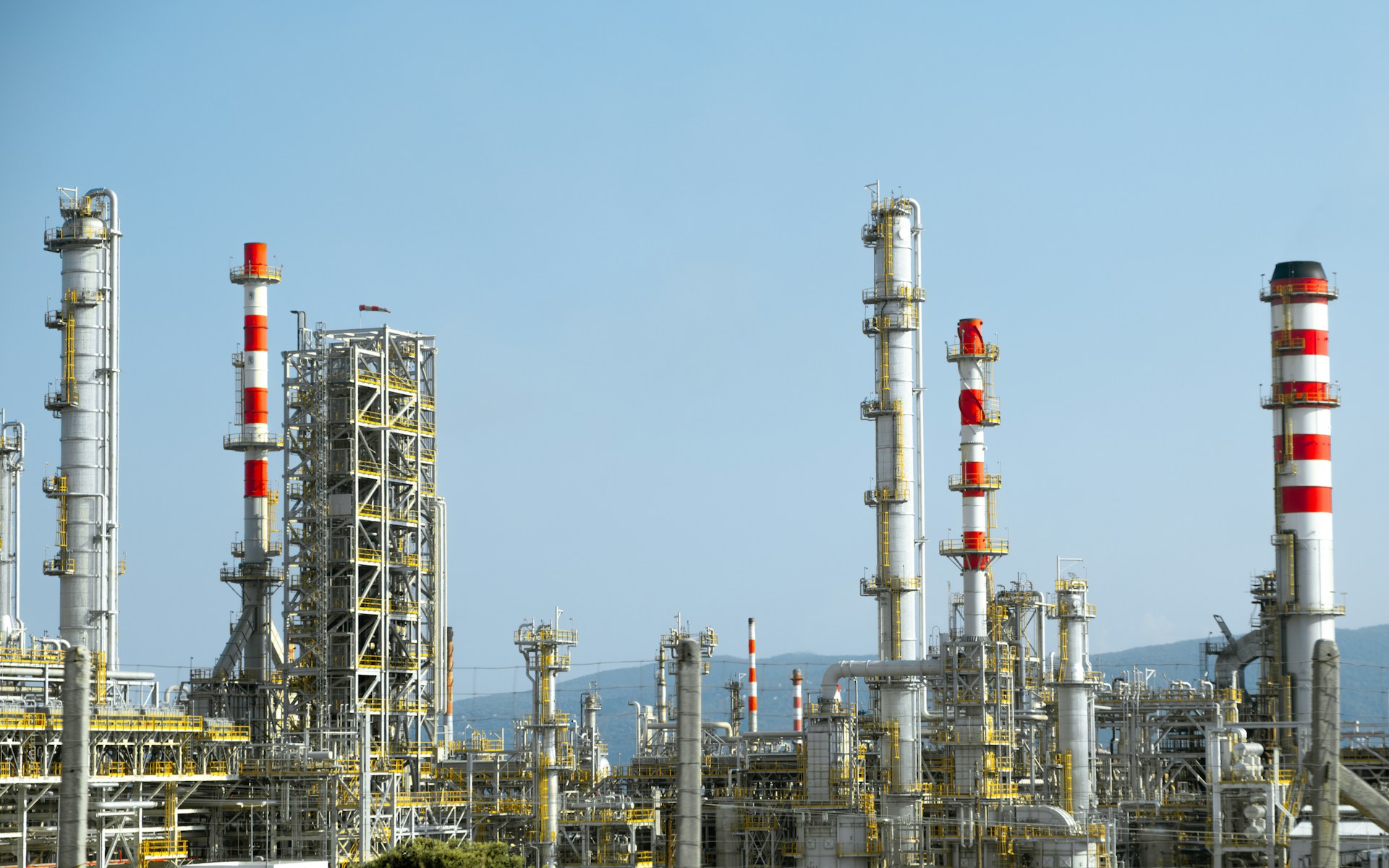
Mining operations often generate wastewater that can be a real headache. This effluent usually contains a mix of nasty contaminants, from heavy metals to solids, and dealing with it is no walk in the park. That’s where coagulants like Tanfloc come into play. They help treat this wastewater and make it safer for the environment. But what makes a coagulant suitable for these tough conditions? Let’s break it down and see how Tanfloc stands out in the treatment of mining wastewater.
Key Takeaways
- Mining wastewater is complex, containing various contaminants like heavy metals and solids.
- pH levels significantly affect how effective treatment methods are.
- Tanfloc is effective in reducing metal concentrations and clarifying wastewater.
- Pilot testing is essential to ensure treatment methods work on a larger scale.
- Sustainable practises in wastewater management are crucial for protecting local ecosystems.
Understanding Mining Wastewater Characteristics
Mining operations, while vital for resources, generate a complex cocktail of wastewater. Understanding what’s in this water is the first step in figuring out wastewater treatment products that will actually work.
Types Of Contaminants In Mining Effluents
Mining wastewater isn’t just plain water; it’s a mix of all sorts of things. You’ve got:
- Heavy metals like arsenic, lead, and mercury. These can be seriously toxic.
- Suspended solids, which make the water murky and can smother aquatic life.
- Acids and alkalis, which mess with the water’s pH.
- Chemicals used in the mining process, such as cyanide or solvents.
The specific contaminants depend on the type of mine and the processes used. It’s a bit of a chemical soup, really.
Impact Of pH Levels On Treatment
The pH level – whether the water is acidic or alkaline – has a huge impact on how well treatment works. Extremely acidic or alkaline water can:
- Interfere with the effectiveness of coagulants and flocculants.
- Corrode equipment.
- Mobilise heavy metals, making them even harder to remove.
Getting the pH right is often the first step in any treatment process. It’s like setting the stage for everything else to work properly.
So, how mines treat high-pH wastewater? Usually, it involves adding acids to neutralise alkaline water, or alkalis to neutralise acidic water. It’s a balancing act.
Challenges Posed By Heavy Metals
Heavy metals are a real headache in mining wastewater treatment. They’re toxic, persistent, and can accumulate in the environment. The challenges include:
- Removing them effectively, often requiring specialised treatment processes.
- Dealing with the sludge that contains the concentrated metals.
- Meeting strict regulatory limits for discharge.
It’s not a simple philtre job; it needs careful planning and the right technology.
The Role Of Coagulants In Wastewater Treatment
How Coagulants Function In Water Treatment
Coagulants are like the matchmakers of wastewater treatment. Their main job is to bring together tiny, suspended particles in the water so they form bigger clumps, making it easier to remove them. Think of it like this: imagine trying to pick up individual grains of sand versus picking up a handful. Coagulants help turn the individual grains into a handful.
- They neutralise the electrical charges of the particles, which stops them from repelling each other.
- This allows the particles to stick together and form larger clumps called floc.
- The floc then settles out of the water or can be easily filtered out.
Benefits Of Using Coagulants In Mining
Using coagulants in mining wastewater treatment offers a bunch of advantages. Mining operations often generate wastewater loaded with sediment, heavy metals, and other pollutants. Coagulants can significantly reduce these contaminants, helping mining companies meet environmental regulations and protect local ecosystems. They improve water quality by removing suspended solids and dissolved pollutants.
- Reduced turbidity, making the water clearer.
- Lower concentrations of heavy metals in the treated water.
- Decreased sludge volume, which cuts down on disposal costs.
Coagulants are a cost-effective way to treat large volumes of water, which is common in mining operations. They can be used in various stages of the treatment process, from primary clarification to sludge dewatering.
Comparison Of Different Coagulants
There are several types of coagulants available, each with its own strengths and weaknesses. Traditional options include inorganic salts like aluminium sulphate (alum) and ferric chloride. These are effective but can produce large volumes of sludge and may affect the pH of the water. Organic polymers are another option; they generate less sludge and work well over a broader pH range. Then there are newer, natural coagulants, like Tanfloc, which are biodegradable and environmentally friendly. When considering coagulants for heavy metals, it’s important to look at the specific contaminants present and the desired water quality. The best coagulants for high turbidity and metals will depend on the specific characteristics of the wastewater and the treatment goals.
| Coagulant Type | Advantages | Disadvantages |
| Aluminium Sulphate | Effective, widely available | Can affect pH, produces large sludge volumes |
| Ferric Chloride | Effective at removing heavy metals | Can be corrosive, may require pH adjustment |
| Organic Polymers | Less sludge, works over a broad pH range | Can be more expensive than inorganic options |
| Natural Coagulants | Biodegradable, environmentally friendly | May not be as effective for all types of waste |
Tanfloc: A Leading Coagulant For Mining Applications
When it comes to dealing with the mess that mining can create, finding the right mining coagulants is a big deal. There are a lot of options out there, but one that’s been getting a lot of attention is Tanfloc. So, what makes it stand out?
Unique Properties Of Tanfloc
Tanfloc isn’t your run-of-the-mill coagulant. It’s made from natural tannins, which come from the bark of Acacia trees. This gives it a few unique advantages:
- It’s biodegradable, so it breaks down naturally without causing more problems down the line.
- It produces less sludge compared to some other coagulants, which means less waste to deal with.
- The sludge it does produce can sometimes be used for composting or even biogas production, turning a waste product into something useful. You can find more about Tanfloc’s properties on its dedicated page.
Effectiveness In Reducing Metal Loading
One of the biggest challenges in mining wastewater is the presence of heavy metals. These can be really harmful to the environment if they’re not removed properly. Tanfloc has shown to be pretty effective at reducing metal loading in wastewater. It works by binding to the metal particles, making them clump together so they can be easily removed.
Case Studies Of Tanfloc In Action
Theory is one thing, but seeing how something works in the real world is another. There have been a number of case studies looking at how Tanfloc performs in actual mining operations. These studies have shown that Tanfloc mining compatibility is pretty good, and it can significantly reduce the amount of pollutants in wastewater. It’s not a magic bullet, but it’s definitely a tool that can make a big difference.
Using Tanfloc can help mining operations meet environmental regulations and reduce their impact on the surrounding environment. It’s a step in the right direction towards more sustainable mining practises.
Addressing Acid Mine Drainage Issues
Understanding Acid Mine Drainage
Acid Mine Drainage (AMD) is a major environmental headache in the mining industry. It happens when sulphide minerals, often found in ore deposits, are exposed to air and water. This kicks off a chemical reaction that creates sulphuric acid and dissolved metals. Rainwater then washes these contaminants into nearby streams and groundwater, causing serious pollution.
- The process starts with the oxidation of pyrite (FeS₂) by oxygen and water.
- This reaction produces ferrous iron (Fe²⁺), sulphate (SO₄²⁻), and acidity (H⁺).
- Ferrous iron is further oxidised to ferric iron (Fe³⁺), which acts as a catalyst, speeding up the oxidation of more pyrite.
AMD can persist for decades, even after a mine is closed. The ongoing chemical reactions mean that treatment needs to be a long-term commitment.
Treatment Solutions For Acid Mine Drainage
There are several ways to tackle AMD, each with its pros and cons. Active treatment involves adding chemicals to neutralise the acid and precipitate out the metals. Passive treatment uses natural processes to achieve the same result, often with lower operating costs but potentially less consistent results. Here’s a quick rundown:
- Active Treatment: This usually involves adding lime (calcium hydroxide) or other alkaline substances to raise the pH and cause metals to precipitate. It’s effective but can be expensive due to the ongoing cost of chemicals.
- Passive Treatment: This includes things like constructed wetlands, anoxic limestone drains, and bioreactors. These systems use natural biological and chemical processes to remove pollutants. They’re generally cheaper to run but might not be suitable for all sites.
- In-Situ Treatment: This involves treating the AMD at its source, often by injecting alkaline materials into the ground to neutralise the acid before it can spread. This can be a good option for preventing further contamination.

Long-Term Management Strategies
Dealing with AMD isn’t a quick fix; it needs a long-term plan. This includes preventing AMD from forming in the first place, as well as ongoing monitoring and treatment. Here are some key strategies:
- Source Control: This is about minimising the exposure of sulphide minerals to air and water. This can involve covering waste rock piles with impermeable materials or flooding underground mines to prevent oxidation.
- Water Management: Diverting clean water away from disturbed areas can reduce the amount of water that becomes contaminated. Collecting and treating runoff is also important.
- Ongoing Monitoring: Regular water quality monitoring is essential to track the effectiveness of treatment measures and identify any potential problems early on. This data helps in adjusting treatment strategies as needed.
Effective long-term management requires a combination of these strategies, tailored to the specific characteristics of the mine site. It’s also important to consider the social and economic impacts of AMD and involve local communities in the planning process.
Pilot Testing And Scalability Of Treatment Solutions
Importance Of Pilot Testing In Mining
So, you’re thinking about changing how you treat wastewater at your mine? Smart move! But before you go all in, you really need to do some pilot testing. Think of it like this: you wouldn’t bake a huge cake for a party without testing the recipe first, right? Same deal here. Pilot testing lets you see how a treatment solution actually works with your specific wastewater. Every mine’s water is different, with its own unique mix of contaminants and pH levels. What works great at one site might be a total flop at another.
Pilot tests help you:
- Figure out the right dosage of Tanafloc products or other coagulants.
- See how the treatment handles variations in water quality (which can change with the seasons or mining activity).
- Identify any potential problems before they become big, expensive headaches.
Scaling Up Treatment Processes
Okay, so your pilot test was a roaring success! Awesome. Now comes the tricky part: scaling up. Taking a treatment process from a small-scale test to full-scale operation is not always straightforward. It’s not just a matter of multiplying everything by a certain factor. You need to consider things like:
- Equipment capacity: Can your pumps, tanks, and other gear handle the increased volume?
- Mixing efficiency: Will the coagulant be properly mixed throughout the larger volume of water?
- Sludge handling: How will you deal with the increased amount of sludge produced?
Scaling up often requires adjustments to the treatment process. You might need to tweak the dosage of coagulant, change the mixing speed, or modify the sludge dewatering process. It’s all about fine-tuning to get the best results at the larger scale.
Real-World Applications And Results
Let’s talk about some real-world examples. I know a mine in Western Australia that was struggling with high levels of turbidity in its wastewater. They ran a pilot test using a new type of coagulant and saw amazing results – turbidity dropped by over 90%! Based on those results, they scaled up the treatment process and are now meeting all their environmental regulations. Another mine in Queensland was dealing with acid mine drainage. They used a combination of lime and a special polymer to neutralise the acid and precipitate out the heavy metals. Pilot testing helped them optimise the dosage of each chemical, saving them a lot of money in the long run. These examples show that pilot testing and careful scaling up can lead to significant improvements in wastewater treatment, helping mines protect the environment and stay compliant.
Environmental Considerations In Mining Wastewater Treatment
Mining operations, while vital for resources, can seriously impact the environment. How we handle the wastewater is super important for protecting our ecosystems and meeting regulations. It’s not just about cleaning the water; it’s about doing it in a way that’s sustainable and minimises harm.
Regulatory Standards For Mining Effluents
In Australia, there are strict rules about what can be released into the environment. These regulations cover things like the levels of heavy metals, pH, and other contaminants in mining effluents. Meeting these standards is non-negotiable, and companies need to have robust systems in place to monitor and treat their wastewater. It’s about accountability and making sure everyone plays their part in protecting our natural resources. If you want to learn more about a natural coagulant, check out Tanfloc benefits.
Sustainable Practises In Wastewater Management
Sustainable wastewater management is all about finding ways to reduce the environmental footprint of mining. This includes:
- Using less water in the first place.
- Recycling water where possible.
- Choosing treatment of mining wastewater methods that are energy-efficient and produce less waste.
It’s about thinking long-term and finding solutions that work for both the industry and the environment. We need to move away from simply treating the problem and start preventing it in the first place.
Impact On Local Ecosystems
Poorly managed wastewater can have devastating effects on local ecosystems. Heavy metals and other pollutants can contaminate waterways, harm aquatic life, and even affect human health. It’s crucial to understand these impacts and take steps to minimise them. This might involve:
- Regular monitoring of water quality.
- Implementing effective sludge management in tailings ponds.
- Working with local communities to address concerns and find solutions.
Ultimately, it’s about being responsible stewards of the land and ensuring that future generations can enjoy a healthy environment.
Future Trends In Mining Wastewater Treatment
The world of mining wastewater treatment is always changing. New problems come up, and new solutions are needed. What worked five years ago might not be the best approach today. So, what’s on the horizon?
Innovations In Coagulant Technology
Coagulant technology is getting a serious upgrade. We’re moving beyond the old-school methods and seeing some cool new stuff. Think about it: more effective polymers, bio-based coagulants, and even coagulants that can target specific pollutants. It’s all about getting better results with less impact on the environment. The focus is on creating coagulants that are more efficient and environmentally friendly.
- Development of targeted coagulants for specific contaminants.
- Increased use of bio-based and biodegradable polymers.
- Improved performance in extreme pH and temperature conditions.
Emerging Treatment Methods
Beyond just improving coagulants, there are entirely new ways to treat mining wastewater popping up. Membrane technology is becoming more affordable and effective. Electrochemical methods are showing promise for removing heavy metals. And let’s not forget about biological treatment – using microbes to clean up the water. These methods offer alternatives to traditional chemical treatments and can be more sustainable in the long run. For example, Tanfloc’s eco-friendly nature makes it a great option.
The Role Of Technology In Enhancing Efficiency
Technology is playing a huge role in making wastewater treatment more efficient. We’re talking about things like real-time monitoring systems, automated dosing controls, and data analytics. These tools help us understand what’s happening in the treatment process and make adjustments on the fly. This means better performance, lower costs, and less waste. It’s all about using data to make smarter decisions. Smart technology is the future.
The integration of advanced technologies like AI and machine learning is set to revolutionise wastewater treatment. These technologies can optimise treatment processes, predict potential issues, and reduce operational costs. This shift towards data-driven decision-making will lead to more efficient and sustainable wastewater management in the mining industry.
As we look ahead, the future of mining wastewater treatment is set to change significantly. New technologies and methods are emerging that promise to make the process more efficient and environmentally friendly. Innovations like advanced filtration systems and natural coagulants are leading the way in reducing harmful pollutants. If you want to learn more about these exciting developments and how they can benefit your operations, visit our website today!
Wrapping It Up
In summary, choosing the right coagulant for tough mining effluents is no small task. You’ve got to think about the specific challenges like heavy metals, solid particles, and varying pH levels. Tanfloc stands out because it can really help clarify water and cut down on metal content, which is a big deal, especially when dealing with issues like acid mine drainage or trying to reuse water in metallurgical processes. Plus, it’s been tested in pilot projects, showing it can scale up for larger operations. So, if you’re in the mining industry and looking to tackle water treatment, Tanfloc could be worth considering.
Frequently Asked Questions
What are the main contaminants found in mining wastewater?
Mining wastewater often contains heavy metals, solids, and various chemicals that can harm the environment.
How does pH affect the treatment of mining effluents?
The pH level can change how well treatment methods work. Some processes work better at certain pH levels.
What is acid mine drainage and why is it a problem?
Acid mine drainage happens when water mixes with rocks containing sulphide minerals, creating acidic water that can damage ecosystems.
How does Tanfloc help in treating mining wastewater?
Tanfloc is a coagulant that helps to clear up water by making particles stick together, which reduces the amount of metals in the water.
Why is pilot testing important in mining wastewater treatment?
Pilot testing helps to see if a treatment method will work on a larger scale before fully implementing it.
What are some future trends in mining wastewater treatment?
New technologies and methods are being developed to make wastewater treatment more efficient and environmentally friendly.